


Understanding 8.7/15kV Aluminum Power Cables: Key Features and Applications
Time of Release:
2026-05-02
Source:
Author:
The 8.7/15kV aluminum power cable is a critical component in the electrical engineering sector, particularly for medium-voltage applications. These cables are designed to operate efficiently at voltages up to 15 kV, making them suitable for various industrial and commercial settings. Understanding the characteristics and applications of these cables can help professionals make informed decisions regarding their electrical projects.
One of the primary benefits of aluminum power cables is their lightweight nature compared to copper cables. This characteristic makes installation easier, especially in overhead applications where weight reduction is crucial. Aluminum is also more cost-effective than copper, which can significantly affect project budgets while still meeting electrical performance requirements.
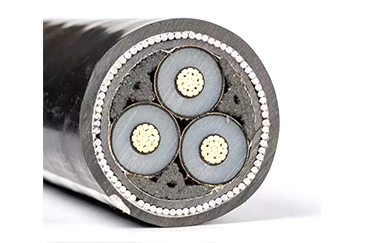
The construction of 8.7/15kV aluminum power cables typically includes multiple layers, consisting of an aluminum conductor, insulation, and an outer sheath. The aluminum conductor provides excellent conductivity and is often reinforced with a suitable insulation material, such as cross-linked polyethylene (XLPE) or polyvinyl chloride (PVC). These materials ensure the cable can withstand environmental stresses, including UV exposure, moisture, and temperature fluctuations.
Another essential feature of these cables is their capability to endure electrical and thermal stresses, ensuring longevity and reliability in power distribution systems. The 8.7/15kV rating indicates the insulation's ability to handle medium-voltage applications, making it suitable for substations, industrial plants, and renewable energy installations, such as wind and solar farms.
In terms of performance, aluminum cables can transmit power efficiently over longer distances, thanks to their lower resistance compared to other materials. This advantage is particularly valuable in extensive electrical networks, where minimizing energy loss is crucial for operational efficiency.
When selecting 8.7/15kV aluminum power cables, professionals should consider factors such as installation environment, load requirements, and compliance with local electrical standards. It's also essential to evaluate the cable's thermal rating and ampacity to ensure it can handle the intended electrical load without overheating.
In conclusion, 8.7/15kV aluminum power cables offer a range of benefits, including lightweight construction, cost-effectiveness, and high performance for medium-voltage applications. Their use in various industrial and commercial contexts makes them a reliable choice for electrical engineers and contractors aiming to optimize their power distribution systems. Understanding these cables thoroughly will enable professionals to make better decisions and enhance the overall efficiency of their electrical projects.
Related information
When discussing high-voltage power transmission, the 26/35kV single core aluminum power cable stands out as a vital component in modern electrical infrastructure. These cables are specifically designed to transport electrical energy efficiently over long distances while maintaining safety and reliability. **Specifications and Structure** The 26/35kV single core aluminum power cable is constructe
2026-10-11

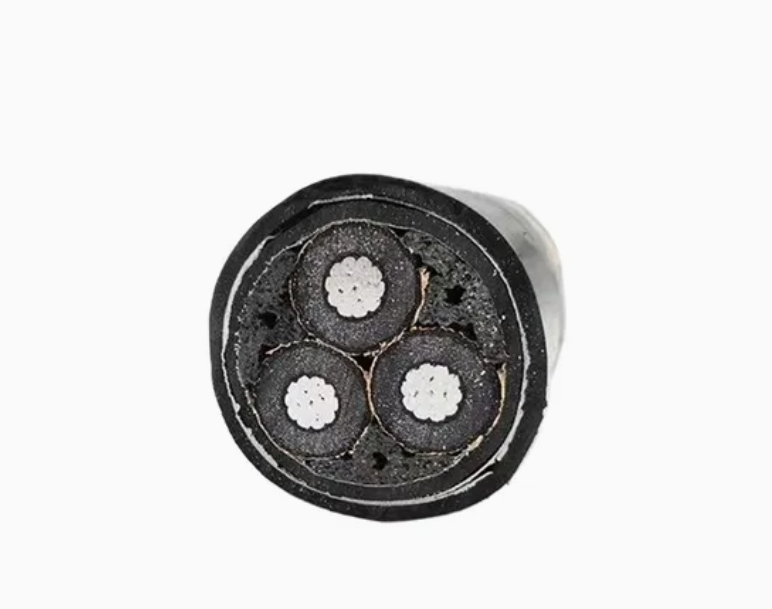
Key Features of 8.7/15kV Triple Core Aluminum Power Cables Explained
Key Features of 8.7/15kV Triple Core Aluminum Power Cables Explained In the realm of electrical engineering, choosing the right type of cable is crucial for ensuring efficient power transmission. One of the widely used cables in medium-voltage applications is the 8.7/15kV triple core aluminum power cable. This article delves into the key features of these cables, exploring their construction, adva
2026-10-04

Understanding 0.6/1kV Single Core Copper Conductor Power Cables
When it comes to electrical installations, choosing the right power cable is crucial for safety, efficiency, and longevity. One significant option in the market is the 0.6/1kV single core copper conductor power cable. This type of cable is designed to handle medium voltage applications, making it suitable for various industrial and commercial settings. The designation 0.6/1kV indicates that the ca
2026-09-27
0
Hunan Huatai Cable Co. LTD
Xiadopu Machinery Industrial Park, Ningxiang, Xiangjiang New District, Hunan Province

Follow us