


Understanding 450/750V House Use Electric Wires: Essential Knowledge for Home Wiring
Time of Release:
2026-04-26
Source:
Author:
One of the main advantages of using 450/750V electric wires is their versatility. They are commonly used for fixed installations in homes, such as lighting circuits, power distribution, and connections to appliances. This type of wire is typically available in various gauges, allowing for flexibility in selecting the appropriate size based on the current requirements of the installation.
The construction of 450/750V electric wires often includes a combination of conductors, insulation, and protective sheathing. The conductors are usually made from copper or aluminum, which are excellent conductors of electricity. The insulation is designed to prevent electrical leakage and protect the wires from environmental factors, while the sheathing offers additional protection against physical damage.
Safety is a paramount consideration when working with any electrical wiring. It's vital to ensure that the wires are installed according to local electrical codes and standards. This not only ensures compliance but also minimizes the risk of electrical fires or shocks. Homeowners should also be aware of the importance of using the correct wire type for specific applications, as using an inappropriate wire can lead to overheating and potential failure.
In addition to safety, recognizing how to properly maintain your electrical system is essential. Regular inspections and timely replacements of damaged or outdated wiring can significantly enhance safety and efficiency. Homeowners should familiarize themselves with the signs of wear, such as frayed insulation, discoloration, or unusual smells, which may indicate an electrical issue that requires immediate attention.
Understanding the specifications of 450/750V house use electric wires is an important step for anyone involved in home wiring projects. By choosing the right materials and adhering to safety guidelines, you can ensure a safe and reliable electrical system. Whether you’re a homeowner looking to undertake DIY projects or a professional electrician, knowledge of these electrical wires will empower you to make informed decisions that enhance the safety and efficiency of your electrical installations.
Related information
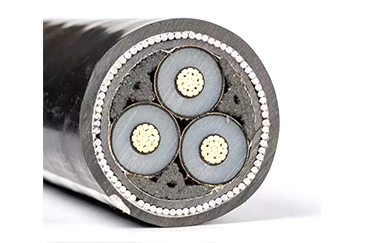
When discussing high-voltage power transmission, the 26/35kV single core aluminum power cable stands out as a vital component in modern electrical infrastructure. These cables are specifically designed to transport electrical energy efficiently over long distances while maintaining safety and reliability. **Specifications and Structure** The 26/35kV single core aluminum power cable is constructe
2026-10-11

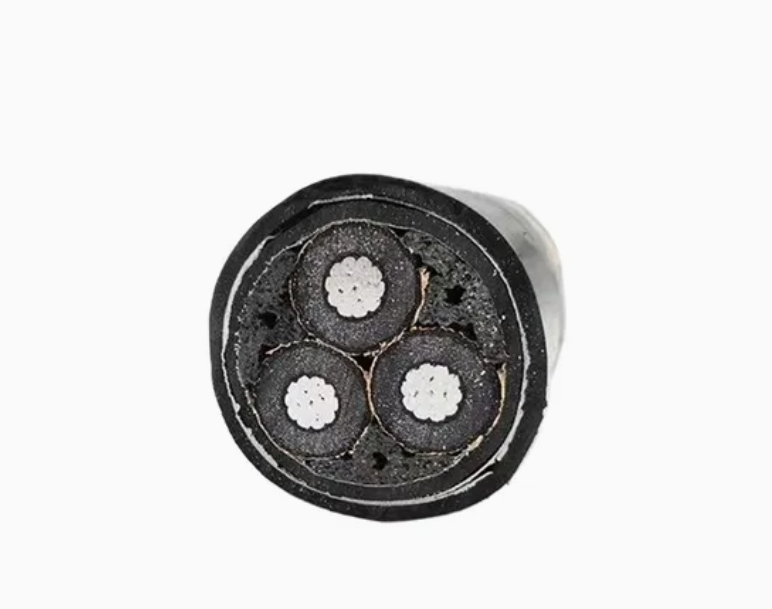
Key Features of 8.7/15kV Triple Core Aluminum Power Cables Explained
Key Features of 8.7/15kV Triple Core Aluminum Power Cables Explained In the realm of electrical engineering, choosing the right type of cable is crucial for ensuring efficient power transmission. One of the widely used cables in medium-voltage applications is the 8.7/15kV triple core aluminum power cable. This article delves into the key features of these cables, exploring their construction, adva
2026-10-04

Understanding 0.6/1kV Single Core Copper Conductor Power Cables
When it comes to electrical installations, choosing the right power cable is crucial for safety, efficiency, and longevity. One significant option in the market is the 0.6/1kV single core copper conductor power cable. This type of cable is designed to handle medium voltage applications, making it suitable for various industrial and commercial settings. The designation 0.6/1kV indicates that the ca
2026-09-27
0
Hunan Huatai Cable Co. LTD
Xiadopu Machinery Industrial Park, Ningxiang, Xiangjiang New District, Hunan Province

Follow us