


Exploring the Cost Benefits of 26/35kV Single Core Aluminum Power Cables: A Comprehensive Guide
Time of Release:
2026-04-23
Source:
Author:
Exploring the Cost Benefits of 26/35kV Single Core Aluminum Power Cables
In today’s rapidly evolving electrical landscape, the demand for efficient and economical power transmission solutions has never been greater. One of the prominent options gaining attention is the 26/35kV single core aluminum power cables. These cables offer a blend of performance, cost-effectiveness, and reliability, making them a preferred choice for various applications. This article delves into the numerous cost benefits of using aluminum power cables in high-voltage environments.
Table of Contents
- Introduction to 26/35kV Single Core Aluminum Power Cables
- Key Features of Aluminum Power Cables
- Cost Comparison: Aluminum vs. Copper Cables
- Installation Efficiency and Labor Costs
- Long-term Operational Benefits
- Applications and Use Cases
- Environmental Impact and Sustainability
- Frequently Asked Questions
- Conclusion
Introduction to 26/35kV Single Core Aluminum Power Cables
The 26/35kV single core aluminum power cable is specifically designed to handle high voltage transmission and is often used in various industrial, commercial, and infrastructural applications. These cables are engineered to provide maximum efficiency and reliability, ensuring minimal power loss during transmission. As we explore the cost benefits, it’s essential to understand their construction, performance, and suitability for diverse environments.
Key Features of Aluminum Power Cables
Durability and Longevity
Aluminum power cables are known for their remarkable durability. They can withstand harsh environmental conditions, including extreme temperatures, moisture, and corrosive substances. This durability translates to a longer lifespan, reducing the need for frequent replacements and associated costs.
Lightweight and Flexible Design
Aluminum cables are significantly lighter than their copper counterparts, making them easier to handle and install. This lightweight characteristic not only reduces labor costs during installation but also minimizes the structural support needed when installing overhead lines.
Electrical Conductivity
While copper is renowned for its excellent conductivity, aluminum cables have made significant advancements in electrical transmission efficiency. With the correct design, these cables can deliver comparable performance, making them an attractive option for power distribution.
Cost Comparison: Aluminum vs. Copper Cables
One of the most compelling reasons for choosing 26/35kV single core aluminum power cables over copper cables is their cost-effectiveness. Let's break down the cost comparison:
Initial Material Costs
Aluminum cables are generally 30-50% less expensive than copper cables. This lower pricing is primarily due to the abundance of aluminum and its simpler extraction process. For projects requiring extensive cabling, the savings can be substantial.
Installation Cost Savings
The lightweight nature of aluminum cables allows for easier handling and reduced labor costs during installation. Additionally, less robust support structures are needed for overhead installations, further decreasing overall project expenses.
Maintenance and Replacement Costs
Given their durability, aluminum cables require less maintenance, which translates to lower ongoing costs. With fewer replacements needed over the lifespan of the cable, businesses can redirect those resources to other vital areas.
Installation Efficiency and Labor Costs
Effective installation is crucial for any electrical system, and aluminum power cables excel in this area. Their lightweight and flexible design contribute to faster installation times, leading to reduced labor costs.
Streamlined Installation Processes
Aluminum cables can be easier to work with, allowing for quicker installation without compromising safety. This efficiency not only saves time but also minimizes the risk of installation errors.
Reduced Need for Heavy Equipment
Due to their lighter weight, aluminum cables often don’t require the same level of heavy lifting equipment as copper cables. This further reduces site preparation costs and can lead to a more straightforward installation process.
Long-term Operational Benefits
When evaluating the cost benefits of 26/35kV single core aluminum power cables, it’s essential to consider the long-term operational advantages that contribute to their overall value.
Lower Energy Loss
Energy loss during transmission can significantly impact operational costs. Aluminum cables, when adequately designed, can minimize energy loss, leading to substantial savings on electricity bills over time.
Enhanced System Reliability
With their proven durability and resistance to harsh environmental factors, aluminum cables contribute to a more reliable electrical system. Fewer outages mean less downtime and associated costs, enhancing operational efficiency.
Applications and Use Cases
Understanding the applications of 26/35kV single core aluminum power cables helps to appreciate their versatility and suitability for various projects.
Power Distribution Networks
These cables are widely used in power distribution networks, where efficient and reliable transmission of electricity is paramount. Their cost benefits make them an ideal choice for both urban and rural installations.
Industrial Applications
From manufacturing plants to large-scale construction sites, aluminum power cables are employed to support heavy machinery and equipment, ensuring a steady and reliable power supply.
Renewable Energy Projects
As the world shifts toward renewable energy sources, aluminum cables are increasingly used in solar and wind energy projects, providing an efficient means of transmitting power generated in remote locations.
Environmental Impact and Sustainability
In addition to their cost benefits, 26/35kV single core aluminum power cables offer environmental advantages that appeal to eco-conscious businesses.
Recyclability of Aluminum
Aluminum is highly recyclable, reducing the environmental footprint associated with cable production. Using aluminum cables aligns with sustainable practices and can enhance a company's green credentials.
Reducing Carbon Footprint
By opting for more efficient power transmission solutions, businesses can contribute to reducing their overall carbon footprint, aligning with global sustainability goals.
Frequently Asked Questions
1. What are the main advantages of using aluminum power cables over copper cables?
The primary advantages include lower material costs, lighter weight, easier installation, and reduced maintenance needs, contributing to overall cost savings.
2. Are aluminum cables suitable for high-voltage applications?
Yes, aluminum cables are specifically designed for high-voltage applications like the 26/35kV range, providing reliable performance and efficiency.
3. How do I ensure the best performance from aluminum power cables?
Proper installation and maintenance are crucial. Ensure cables are installed according to manufacturer specifications and regularly inspected for any signs of wear or damage.
4. Can aluminum cables be used outdoors?
Yes, aluminum cables are suitable for outdoor use, provided they are appropriately rated for environmental conditions and installed correctly.
5. What should I consider when choosing between aluminum and copper cables?
Consider factors such as cost, installation ease, maintenance, and the specific requirements of your application, including voltage levels and environmental conditions.
Conclusion
The benefits of using 26/35kV single core aluminum power cables extend far beyond initial cost savings. Their efficiency, durability, and versatility make them an excellent choice for various applications, particularly in high-voltage environments. By choosing aluminum cables, businesses can reduce operational expenses while enhancing the reliability of their electrical systems. As energy demands continue to grow, opting for cost-efficient and sustainable solutions like aluminum power cables will undoubtedly play a vital role in shaping the future of electrical infrastructure.
Related information

What You Need to Know About 450/750V Electric Wires for Home Renovations
What You Need to Know About 450/750V Electric Wires for Home Renovations Introduction to 450/750V Electric Wires In modern home renovations, understanding the electrical components is crucial for ensuring safety and effectiveness. One of the most common types of wiring used in residential projects is the **450/750V electric wire**. These wires are designed to handle medium voltage applications, ma
2026-10-18

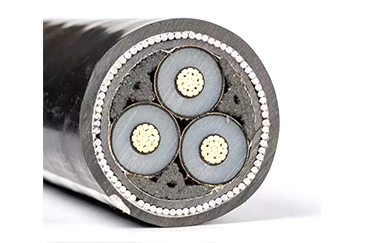
When discussing high-voltage power transmission, the 26/35kV single core aluminum power cable stands out as a vital component in modern electrical infrastructure. These cables are specifically designed to transport electrical energy efficiently over long distances while maintaining safety and reliability. **Specifications and Structure** The 26/35kV single core aluminum power cable is constructe
2026-10-11
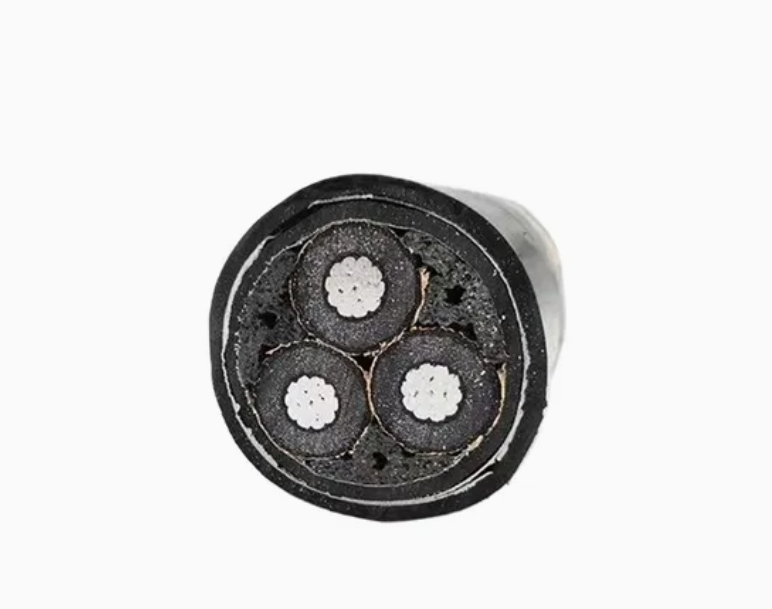
Key Features of 8.7/15kV Triple Core Aluminum Power Cables Explained
Key Features of 8.7/15kV Triple Core Aluminum Power Cables Explained In the realm of electrical engineering, choosing the right type of cable is crucial for ensuring efficient power transmission. One of the widely used cables in medium-voltage applications is the 8.7/15kV triple core aluminum power cable. This article delves into the key features of these cables, exploring their construction, adva
2026-10-04
0
Hunan Huatai Cable Co. LTD
Xiadopu Machinery Industrial Park, Ningxiang, Xiangjiang New District, Hunan Province

Follow us