


What You Need to Know About 450/750V Electric Wires for Home Renovations
Time of Release:
2026-10-18
Source:
Author:
What You Need to Know About 450/750V Electric Wires for Home Renovations
Introduction to 450/750V Electric Wires
In modern home renovations, understanding the electrical components is crucial for ensuring safety and effectiveness. One of the most common types of wiring used in residential projects is the **450/750V electric wire**. These wires are designed to handle medium voltage applications, making them suitable for various uses in renovation tasks.
With the right knowledge and precautions, homeowners can utilize these wires to enhance their electrical systems during renovations.
Understanding Voltage Ratings
What Does 450/750V Mean?
The labeling of **450/750V** indicates the maximum voltage that the wire can safely carry. Specifically, it can handle up to 450 volts for single-phase circuits and 750 volts for three-phase circuits. This versatility makes these wires suitable for both residential and light commercial applications.
Importance of Voltage Ratings in Home Renovations
When undertaking renovations, it is critical to select wires that match the voltage requirements of your electrical systems. Choosing the right voltage rating not only ensures compliance with electrical codes but also enhances overall safety. Using wires rated for higher voltages than necessary can lead to unnecessary costs, while using wires rated for lower voltages can pose significant safety hazards.
Types of 450/750V Electric Wires
1. PVC Insulated Wires
**PVC insulated wires** are a popular choice for home renovations due to their affordability and durability. The polyvinyl chloride insulation provides excellent resistance to moisture, chemicals, and abrasion, making these wires suitable for various indoor and outdoor applications.
2. XLPE Insulated Wires
**Cross-linked polyethylene (XLPE)** insulated wires are designed for higher thermal resistance and can handle more demanding electrical loads. They are less prone to degradation over time compared to PVC wires, making them a long-term solution for home renovations.
3. Armored Wires
**Armored wires** provide additional protection against physical damage, making them ideal for areas that may be exposed to impact or abrasion. They are particularly useful in walls, floors, or ceilings where the risk of damage is higher.
Applications of 450/750V Electric Wires in Home Renovations
1. Lighting Installations
450/750V wires are commonly used in lighting installations due to their ability to handle the power demands of various fixtures. Whether you are installing recessed lights, chandeliers, or outdoor lighting, these wires offer the necessary voltage capacity.
2. Power Outlets
In modern homes, power outlets are essential for powering appliances and electronics. Using 450/750V wires ensures that the outlets can safely accommodate the electrical load, thus preventing circuit overloads and potential fire hazards.
3. Electrical Panels
When upgrading or installing new electrical panels, it is essential to use wires that can manage higher voltages. 450/750V wires provide the reliability needed for safe panel installations, ensuring proper distribution of electricity throughout the home.
Installation Guidelines for 450/750V Electric Wires
1. Choose the Right Wire Size
Selecting the appropriate wire size is critical for ensuring safety and efficiency. The gauge of the wire affects its current-carrying capacity, and using a wire that is too small can lead to overheating and potential fire hazards.
2. Follow Local Electrical Codes
Always abide by local electrical codes and regulations when installing 450/750V wires. These codes are designed to ensure safety and compliance with national standards.
3. Use Proper Tools and Techniques
Utilizing the right tools, such as wire strippers and crimping tools, during installation can help avoid damage to the wires. Proper techniques, including securely fastening wires and using appropriate connectors, are crucial for a safe installation.
4. Hire Qualified Professionals
If you are not experienced in electrical work, consider hiring a qualified electrician. They have the necessary training and expertise to ensure the installation of 450/750V wires is done safely and correctly.
Safety Considerations for Using 450/750V Electric Wires
1. Insulation Integrity
Ensure that the insulation of the wires is intact before installation. Damaged insulation can lead to short circuits and electrical shocks, posing significant risks to safety.
2. Avoid Overloading Circuits
It is essential to calculate the total load of the devices connected to each circuit. Overloading can cause overheating and potentially start fires. Always consider the cumulative wattage when planning electrical installations.
3. Regular Inspections
Conduct regular inspections of your electrical systems to ensure that everything is functioning correctly and that there are no signs of wear or damage. Early detection of issues can prevent catastrophic failures.
Frequently Asked Questions (FAQs)
1. Can I use 450/750V electric wires outdoors?
Yes, 450/750V wires can be used outdoors, but ensure they are rated for outdoor use and protected from physical damage.
2. What appliances can I connect using 450/750V wires?
You can connect various appliances, including lighting fixtures, power outlets, and HVAC systems, as long as their power requirements align with the wire ratings.
3. How do I determine the right wire gauge for my project?
The wire gauge depends on the total load of the circuit. Use an ampacity chart to find the correct gauge based on the anticipated electrical load.
4. Are there specific installation techniques for armored wires?
Yes, armored wires require careful handling during installation to avoid damaging the armor. Use appropriate connectors and ensure they are securely attached to the electrical panels.
5. What are the common mistakes to avoid when using 450/750V wires?
Common mistakes include using the wrong wire gauge, ignoring local codes, and failing to secure connections properly. Always double-check your work to ensure safety.
Conclusion
Understanding the nuances of **450/750V electric wires** is essential for any homeowner undertaking renovation projects. From recognizing the importance of voltage ratings to grasping the various types and applications of these wires, this knowledge ensures that your electrical systems are safe, effective, and compliant with regulations. By following the installation guidelines and prioritizing safety, homeowners can achieve successful renovations that enhance their living spaces for years to come. Remember, when in doubt, consult with a qualified electrician to ensure the highest standards of safety and quality in your home renovation projects.
Related information

What You Need to Know About 450/750V Electric Wires for Home Renovations
What You Need to Know About 450/750V Electric Wires for Home Renovations Introduction to 450/750V Electric Wires In modern home renovations, understanding the electrical components is crucial for ensuring safety and effectiveness. One of the most common types of wiring used in residential projects is the **450/750V electric wire**. These wires are designed to handle medium voltage applications, ma
2026-10-18

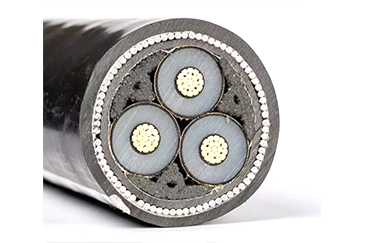
When discussing high-voltage power transmission, the 26/35kV single core aluminum power cable stands out as a vital component in modern electrical infrastructure. These cables are specifically designed to transport electrical energy efficiently over long distances while maintaining safety and reliability. **Specifications and Structure** The 26/35kV single core aluminum power cable is constructe
2026-10-11
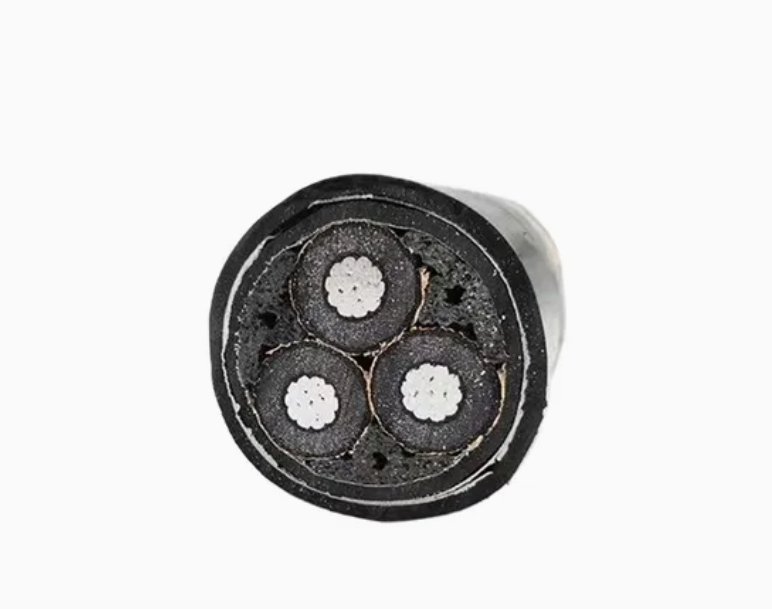
Key Features of 8.7/15kV Triple Core Aluminum Power Cables Explained
Key Features of 8.7/15kV Triple Core Aluminum Power Cables Explained In the realm of electrical engineering, choosing the right type of cable is crucial for ensuring efficient power transmission. One of the widely used cables in medium-voltage applications is the 8.7/15kV triple core aluminum power cable. This article delves into the key features of these cables, exploring their construction, adva
2026-10-04
0
Hunan Huatai Cable Co. LTD
Xiadopu Machinery Industrial Park, Ningxiang, Xiangjiang New District, Hunan Province

Follow us