


Electric Wire for Industrial Robot: High-Performance Cable Solutions for Automated Systems
Time of Release:
2026-02-25
Source:
Author:
Electric wire for industrial robot applications is specially engineered to withstand continuous movement, torsion, bending, and mechanical stress in automated environments. Unlike standard cables, robotic cables must operate reliably under high-speed, repetitive motion while maintaining stable power supply and precise signal transmission. With the rapid development of intelligent manufacturing and automation, high-performance electric wire for industrial robot systems has become a critical component in ensuring operational efficiency and long-term reliability.
Design Requirements for Industrial Robot Cables
Industrial robots are widely used in welding, assembly, packaging, material handling, and precision machining. During operation, robot arms perform complex multi-axis movements that subject cables to constant bending, twisting, and stretching. Therefore, electric wire for industrial robot systems must meet strict performance standards:
Excellent flexibility for continuous dynamic motion
High resistance to torsion and bending fatigue
Strong abrasion and wear resistance
Stable electrical conductivity
Reliable signal integrity
Resistance to oil, chemicals, and coolants
Flame-retardant and safe insulation materials
These features ensure uninterrupted operation even in harsh industrial environments.
Structural Composition and Materials
High-quality electric wire for industrial robot use typically consists of finely stranded copper conductors. The fine stranding increases flexibility and reduces the risk of conductor breakage during repeated motion. Insulation materials such as PVC, PUR (polyurethane), or TPE (thermoplastic elastomer) are selected based on application requirements.
Shielding layers may be added to prevent electromagnetic interference (EMI), ensuring accurate data transmission for control signals and sensors. For servo systems and high-precision robotic equipment, double shielding structures are often adopted to maintain signal stability.
The outer sheath is designed for durability, providing protection against mechanical impact, oil exposure, and environmental factors. PUR sheaths are especially popular due to their superior wear resistance and flexibility.
Key Performance Advantages
Electric wire for industrial robot systems provides several operational benefits:
Extended Service Life: Designed to endure millions of bending cycles without failure.
High Reliability: Reduces unexpected downtime and maintenance costs.
Stable Power Transmission: Ensures consistent energy supply to motors and actuators.
Accurate Signal Transfer: Maintains precise control communication between controllers and robotic arms.
Enhanced Safety: Flame-retardant materials improve workplace safety standards.
By selecting specialized robotic cables, manufacturers significantly improve overall equipment effectiveness.
Application Areas
Electric wire for industrial robot installations is used in a wide range of industries:
Automotive manufacturing
Electronics assembly
Metal fabrication and welding
Food and beverage processing
Pharmaceutical production
Logistics and automated warehousing
In automotive production lines, robotic welding systems rely heavily on flexible and durable cables. In electronics manufacturing, precise signal transmission ensures product quality and production accuracy.
Customization and Standards
Professional cable manufacturers offer customized electric wire for industrial robot solutions to match specific voltage ratings, conductor sizes, shielding requirements, and environmental conditions. Products often comply with international standards such as CE, UL, and RoHS, ensuring safety and environmental compliance.
Advanced testing methods, including bending cycle tests, torsion tests, and insulation resistance measurements, are conducted to guarantee long-term reliability.
Future Development Trends
As Industry 4.0 and smart factories continue to expand, electric wire for industrial robot technology is evolving toward higher flexibility, lighter weight, and improved data transmission capabilities. Hybrid cables combining power, control, and data transmission functions in a single structure are increasingly popular.
With the integration of AI-driven automation and collaborative robots (cobots), cable performance requirements will become even more demanding. Continuous innovation in materials and structural design will support the next generation of robotic systems.
Conclusion
Electric wire for industrial robot applications plays a vital role in modern automated production. Its flexibility, durability, and electrical stability directly influence the performance and lifespan of robotic systems. By investing in high-quality robotic cables, manufacturers enhance productivity, reduce downtime, and ensure safe and efficient operation in complex industrial environments.
previous page:
Related information
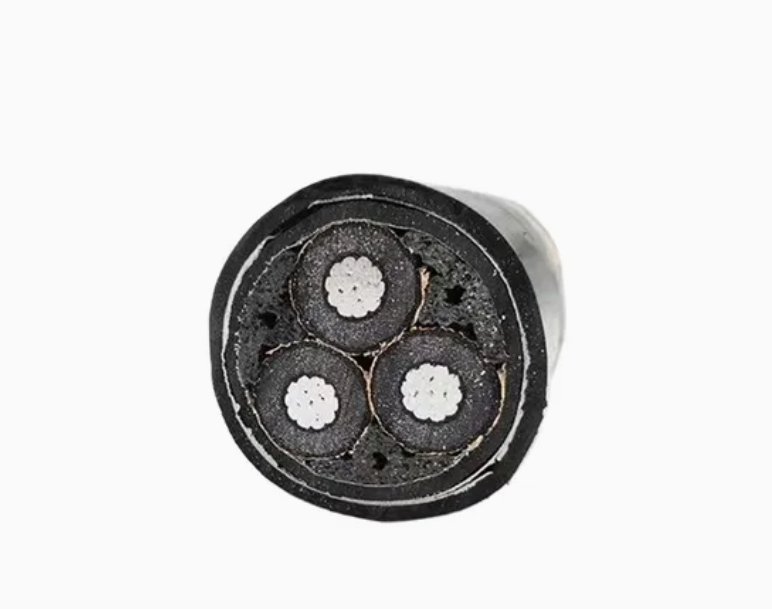
When it comes to transmitting electrical energy effectively and safely, the choice of cable is pivotal. Among the various options available, the 8.7/15kV triple core aluminum power cable stands out as a significant choice for medium voltage applications. This type of cable is designed to operate at a voltage rating of 8.7/15kV, making it suitable for different power distribution systems. The const
2026-02-25


450/750V Control Cable: Reliable Power and Signal Transmission for Industrial Systems
450/750V control cable provides reliable power and signal transmission for industrial equipment and control systems.
2026-02-25

Electric Wire for Industrial Robot: High-Performance Cable Solutions for Automated Systems
Electric wire for industrial robot ensures high flexibility, wear resistance, and stable power and signal transmission.
2026-02-25
0
Hunan Huatai Cable Co. LTD
Xiadopu Machinery Industrial Park, Ningxiang, Xiangjiang New District, Hunan Province

Follow us