


Understanding 8.7/15kV Triple Core Aluminum Power Cables: Essential Insights for Electrical Professionals
Time of Release:
2026-02-25
Source:
Author:
The construction of the 8.7/15kV triple core aluminum power cable comprises three insulated aluminum conductors, each designed to carry a phase of electrical current. The aluminum conductors are often preferred over copper due to their lighter weight and lower cost, making them a practical choice for many electrical installations. The insulation material typically used can vary, but it is generally comprised of cross-linked polyethylene (XLPE) or polyvinyl chloride (PVC) to provide excellent dielectric strength and thermal resistance. These insulation materials ensure that the cable can withstand high voltage levels and environmental factors, enhancing durability and reliability.
One of the key advantages of the 8.7/15kV triple core aluminum power cable is its flexibility and ease of installation. The lighter weight of aluminum cables allows for simpler handling and installation procedures, which can lead to reduced labor costs and installation time. Furthermore, the triple core configuration allows for efficient power distribution with reduced electromagnetic interference, ensuring stable operations in various applications.
These cables are commonly utilized in industrial settings, including power plants, mining operations, and manufacturing facilities, where reliable power distribution is critical. They are also employed in underground cable systems and other environments where space constraints and durability are important considerations.
In addition to their industrial applications, the 8.7/15kV triple core aluminum power cables can also be beneficial in renewable energy projects, such as wind and solar farms. As the demand for sustainable energy solutions grows, the need for reliable and efficient power distribution systems becomes increasingly important.
In conclusion, the 8.7/15kV triple core aluminum power cable is an essential component in modern electrical systems, providing a balance of performance, cost-effectiveness, and versatility. Understanding its features, benefits, and applications will equip electrical professionals with the knowledge they need to make informed decisions when selecting cables for various projects. As the industry evolves, staying informed about the latest advancements in cable technology ensures that you can meet the demands of modern power distribution effectively.
Related information
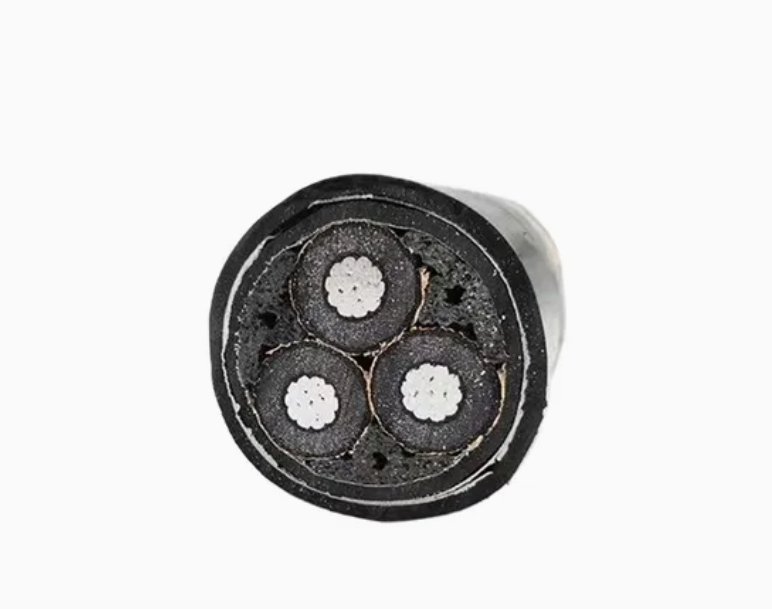
When it comes to transmitting electrical energy effectively and safely, the choice of cable is pivotal. Among the various options available, the 8.7/15kV triple core aluminum power cable stands out as a significant choice for medium voltage applications. This type of cable is designed to operate at a voltage rating of 8.7/15kV, making it suitable for different power distribution systems. The const
2026-02-25


450/750V Control Cable: Reliable Power and Signal Transmission for Industrial Systems
450/750V control cable provides reliable power and signal transmission for industrial equipment and control systems.
2026-02-25

Electric Wire for Industrial Robot: High-Performance Cable Solutions for Automated Systems
Electric wire for industrial robot ensures high flexibility, wear resistance, and stable power and signal transmission.
2026-02-25
0
Hunan Huatai Cable Co. LTD
Xiadopu Machinery Industrial Park, Ningxiang, Xiangjiang New District, Hunan Province

Follow us