


Cables: Essential Infrastructure for Power and Communication Systems
Time of Release:
2026-01-23
Source:
Author:
Cables are a critical part of modern infrastructure, serving as the backbone for the transmission of electrical power, data, and control signals across a wide range of applications. From residential buildings and commercial complexes to industrial plants, transportation systems, and digital communication networks, cables enable reliable connections that support daily operations and technological development.
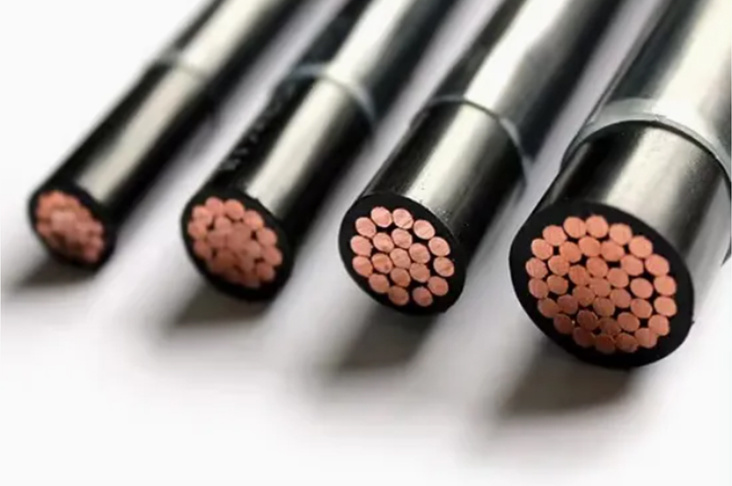
A typical cable is composed of one or more conductors, insulation materials, and protective layers. The conductors are commonly made of copper or aluminum due to their excellent electrical properties and mechanical strength. Copper cables are widely used where high conductivity, low resistance, and compact design are required. Aluminum cables, with their lighter weight and lower material cost, are often chosen for large-scale power transmission and distribution projects.
Insulation plays a vital role in cable performance and safety. Common insulation materials include PVC, XLPE, rubber, and specialized polymers, each selected based on voltage rating, temperature tolerance, and environmental conditions. Proper insulation prevents electrical leakage, short circuits, and external interference, while also enhancing resistance to heat, moisture, chemicals, and aging. In safety-critical environments, cables may feature flame-retardant, low-smoke, or halogen-free insulation to meet strict fire and environmental standards.
Cables are classified according to their function, such as power cables, control cables, communication cables, and signal cables. Power cables are designed to transmit electrical energy at low, medium, or high voltage levels. Control and signal cables are used for monitoring, automation, and system control in industrial and building applications. Communication cables, including data and fiber optic cables, support high-speed information transfer in telecommunications and networking systems.
Mechanical protection is another important consideration in cable design. Depending on the installation environment, cables may include shielding, braiding, or armored layers to protect against mechanical impact, electromagnetic interference, and environmental stress. Armored cables are commonly used in underground, outdoor, or industrial installations where additional strength and durability are required.
With the rapid growth of renewable energy, smart grids, and digital technologies, cable performance requirements continue to evolve. Solar power plants, wind farms, energy storage systems, and electric vehicle infrastructure demand cables that can handle variable loads, harsh outdoor conditions, and long-term operation. Advances in materials science and manufacturing processes have led to cables with improved efficiency, reduced losses, and extended service life.
In conclusion, cables are far more than simple electrical components—they are essential links that connect power sources, equipment, and people. Selecting the right cable type and specification is crucial for ensuring system safety, efficiency, and reliability. High-quality cables provide stable performance, support technological innovation, and contribute to the sustainable development of modern infrastructure.
Related information
Essential Installation Tips for 0.6/1kV Single Core Copper Conductor Power Cables
Essential Installation Tips for 0.6/1kV Single Core Copper Conductor Power Cables Table of Contents Introduction to 0.6/1kV Single Core Copper Conductors Understanding Power Cable Specifications Voltage Ratings Explained Copper vs. Aluminum Conductors Pre-Installation Requirements Essential Tools and
2026-02-04


Understanding 8.7/15kV Aluminum Power Cables: Key Features and Applications
When it comes to power distribution, the selection of the right cable is crucial for ensuring reliability and efficiency. Among various options, the 8.7/15kV aluminum power cable stands out as a popular choice for medium voltage applications. Understanding its features and benefits can help you make informed decisions in your electrical projects. The 8.7/15kV designation refers to the voltage rati
2026-02-01

300/500V Electric Wires: Common Misconceptions Debunked
300/500V Electric Wires: Common Misconceptions Debunked In the world of electrical installations, understanding the specifications and applications of different types of wires is crucial. Among these, **300/500V electric wires** stand out as a common choice for various projects. However, numerous misconceptions surround these wires that can lead to improper usage and safety hazards. In this articl
2026-01-29
0
Hunan Huatai Cable Co. LTD
Xiadopu Machinery Industrial Park, Ningxiang, Xiangjiang New District, Hunan Province

Follow us