


Essential Installation Tips for 0.6/1kV Single Core Copper Conductor Power Cables
Time of Release:
2026-02-04
Source:
Author:
Essential Installation Tips for 0.6/1kV Single Core Copper Conductor Power Cables
Table of Contents
- Introduction to 0.6/1kV Single Core Copper Conductors
- Understanding Power Cable Specifications
- Pre-Installation Requirements
- Step-by-Step Installation Procedure
- Testing and Commissioning
- Common Installation Mistakes to Avoid
- Maintenance Tips for Long-Term Performance
- FAQs About 0.6/1kV Copper Conductor Power Cable Installations
- Conclusion
Introduction to 0.6/1kV Single Core Copper Conductors
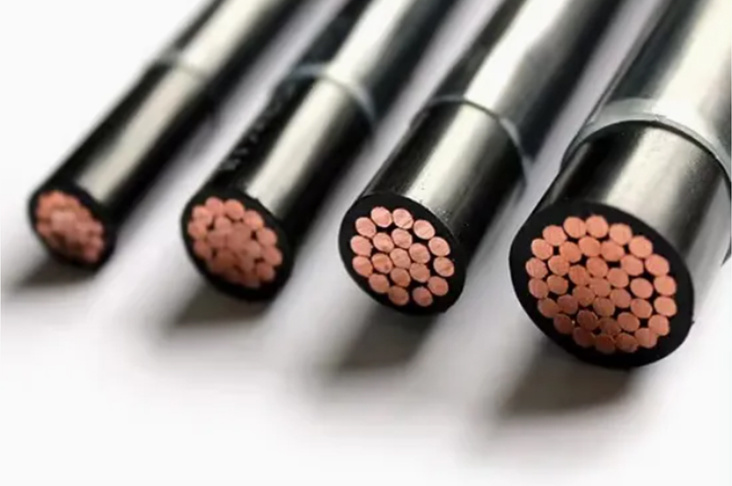
The **0.6/1kV single core copper conductor power cables** are crucial components in electrical installations, especially for medium-voltage applications. These cables are widely used in various industries, such as construction, manufacturing, and utilities, due to their excellent conductivity, durability, and flexibility. A proper installation is essential to ensure safety, efficiency, and longevity of the power distribution system. In this article, we will provide **comprehensive installation tips** to aid electricians and contractors in successful implementations of these cables.
Understanding Power Cable Specifications
Before diving into the installation process, it is vital to grasp the specifications of 0.6/1kV power cables. Knowledge of these specifications ensures that you select the right cable for your specific application and understand the installation requirements.
Voltage Ratings Explained
Voltage ratings indicate the maximum operating voltage of a power cable. For 0.6/1kV single core copper conductors, the **0.6/1kV** rating signifies that the cable can operate safely up to **600 volts** (phase to ground) and **1,000 volts** (phase to phase). This makes these cables suitable for a wide range of applications, including power distribution in industrial and commercial settings.
Copper vs. Aluminum Conductors
While both copper and aluminum conductors serve similar purposes, copper conductors offer superior conductivity, higher tensile strength, and better corrosion resistance. Although aluminum cables are lighter and more cost-effective, copper cables are often preferred for their reliability and longer lifespan, especially in critical applications.
Pre-Installation Requirements
Setting the stage for a successful installation involves careful planning and preparation. Consider the following pre-installation steps:
Essential Tools and Materials
Gather the necessary tools and materials before beginning the installation. Essential tools include:
- Cable cutters
- Wire strippers
- Crimping tools
- Insulation resistance tester
- Torque wrench
- Personal protective equipment (PPE)
Additionally, ensure that you have the correct length and type of cables, connectors, and protective conduits.
Site Preparation and Safety Measures
Proper site preparation is critical for safety and efficiency. Ensure the installation area is clear of debris and that you have adequate lighting and ventilation. Verify that the electrical supply is turned off before commencing work. Following safety guidelines and wearing appropriate PPE ensures protection during the installation process.
Step-by-Step Installation Procedure
The installation of 0.6/1kV single core copper conductor power cables involves several key steps. Follow these guidelines for effective installation:
Cable Routing Techniques
Routing the cables correctly is essential for both performance and safety. Here are some best practices for cable routing:
- **Plan the route:** Outline the most efficient path from the power source to the installation point, avoiding sharp bends and obstacles.
- **Maintain minimum bend radius:** Adhere to the manufacturer's specifications for bend radius to prevent damage to the cable.
- **Avoid electromagnetic interference:** Keep cables away from high-voltage lines and sources of electromagnetic interference to ensure optimal performance.
Termination Techniques for Power Cables
Proper termination of power cables is critical for creating secure electrical connections. Follow these steps for effective termination:
1. **Strip the insulation:** Carefully strip the insulation from the cable ends without damaging the conductor.
2. **Prepare the conductor:** Ensure the copper conductor is clean and free from oxidation.
3. **Make the connection:** Use appropriate connectors, ensuring a tight fit and secure crimping.
4. **Insulate the connection:** Utilize heat shrink tubing or electrical tape to insulate the connection thoroughly.
Testing and Commissioning
After installing the cables, conducting tests is essential to verify that the installation meets safety and performance standards. Use an **insulation resistance tester** to check the integrity of the installation. Perform continuity tests to ensure proper connections and verify that the system is free from faults.
Common Installation Mistakes to Avoid
While installing 0.6/1kV single core copper conductor power cables, several common mistakes can lead to safety hazards or reduced performance. Avoid the following errors:
- **Neglecting safety precautions:** Always prioritize safety by using PPE and adhering to safety guidelines.
- **Inadequate cable support:** Ensure that cables are properly supported to prevent sagging or excessive strain.
- **Using incorrect tools:** Utilize the right tools for installation to avoid damaging the cables.
- **Ignoring manufacturer guidelines:** Follow the manufacturer's installation guidelines for optimal performance.
Maintenance Tips for Long-Term Performance
Proper maintenance of installed cables is crucial for their longevity and performance. Consider the following maintenance tips:
- **Regular inspections:** Conduct periodic inspections to check for signs of wear, damage, or environmental factors affecting the cables.
- **Cleaning connections:** Keep connections clean and free from corrosion to ensure reliable electrical performance.
- **Monitoring temperature:** Be aware of heat buildup in the cables and ensure proper ventilation to prevent overheating.
FAQs About 0.6/1kV Copper Conductor Power Cable Installations
**Q1: What is the lifespan of 0.6/1kV copper conductor power cables?**
A1: With proper installation and maintenance, these cables can last for several decades, typically between 20 to 40 years.
**Q2: Can I install 0.6/1kV cables underground?**
A2: Yes, 0.6/1kV cables are suitable for underground installations if appropriate protective measures, such as conduits, are used.
**Q3: What precautions should I take during installation?**
A3: Always wear PPE, ensure the power supply is turned off, and follow safety guidelines during the installation process.
**Q4: How do I choose the right cable size?**
A4: Cable size should be determined based on the load requirements, distance, and environmental factors. Consult with a qualified engineer for guidance.
**Q5: Are there specific regulations for installing power cables?**
A5: Yes, various local and national electrical codes and standards govern the installation of power cables. Always adhere to these regulations to ensure safety and compliance.
Conclusion
The installation of 0.6/1kV single core copper conductor power cables is a vital process that requires careful consideration of specifications, preparation, and execution. By following the tips and guidelines outlined in this article, electricians and contractors can ensure a successful installation that meets safety standards and provides reliable performance. Proper knowledge of the installation process, maintenance practices, and common pitfalls will further enhance the effectiveness and longevity of these essential power cables. Embrace these practices to not only optimize your installations but to also build a reputation for quality workmanship in the electrical industry.
Related information
Essential Installation Tips for 0.6/1kV Single Core Copper Conductor Power Cables
Essential Installation Tips for 0.6/1kV Single Core Copper Conductor Power Cables Table of Contents Introduction to 0.6/1kV Single Core Copper Conductors Understanding Power Cable Specifications Voltage Ratings Explained Copper vs. Aluminum Conductors Pre-Installation Requirements Essential Tools and
2026-02-04


Understanding 8.7/15kV Aluminum Power Cables: Key Features and Applications
When it comes to power distribution, the selection of the right cable is crucial for ensuring reliability and efficiency. Among various options, the 8.7/15kV aluminum power cable stands out as a popular choice for medium voltage applications. Understanding its features and benefits can help you make informed decisions in your electrical projects. The 8.7/15kV designation refers to the voltage rati
2026-02-01

300/500V Electric Wires: Common Misconceptions Debunked
300/500V Electric Wires: Common Misconceptions Debunked In the world of electrical installations, understanding the specifications and applications of different types of wires is crucial. Among these, **300/500V electric wires** stand out as a common choice for various projects. However, numerous misconceptions surround these wires that can lead to improper usage and safety hazards. In this articl
2026-01-29
0
Hunan Huatai Cable Co. LTD
Xiadopu Machinery Industrial Park, Ningxiang, Xiangjiang New District, Hunan Province

Follow us