


Power Wire: Reliable Transmission Solutions for Modern Electrical Systems
Time of Release:
2026-01-23
Source:
Author:
Power wire is a fundamental component in modern electrical and energy systems, playing a critical role in the safe and efficient transmission of electrical power from sources to end-use equipment. Whether used in residential buildings, commercial facilities, industrial plants, or infrastructure projects, power wire directly affects system reliability, safety, and operational efficiency.
At its core, a power wire consists of a conductive core, insulation layers, and sometimes additional protective sheathing. The conductor is typically made of copper or aluminum due to their excellent electrical conductivity and mechanical properties. Copper power wires are widely favored for applications requiring high conductivity, compact size, and stable long-term performance. Aluminum power wires, on the other hand, offer advantages in weight and cost, making them suitable for large-scale power transmission and distribution projects.
Insulation is a key element that determines the performance and safety level of a power wire. Common insulation materials include PVC, XLPE (cross-linked polyethylene), rubber, and other thermoplastic or thermoset compounds. These materials provide electrical insulation, protect against short circuits, and enhance resistance to heat, moisture, chemicals, and environmental aging. For demanding environments, power wires may also feature flame-retardant, low-smoke, or halogen-free insulation to meet stricter safety and regulatory requirements.
Power wires are designed to operate under specific voltage ratings, temperature ranges, and mechanical conditions. Low-voltage power wires are commonly used in household wiring, lighting systems, and small appliances. Medium- and high-voltage power wires are essential for industrial equipment, substations, renewable energy systems, and power distribution networks. Selecting the correct wire size and specification is crucial to prevent overheating, voltage drop, and energy loss during operation.
In industrial applications, power wires must withstand harsh conditions such as vibration, high temperatures, oil exposure, and mechanical stress. As a result, many industrial-grade power wires incorporate reinforced insulation, multi-layer shielding, or armored structures to enhance durability and service life. These designs ensure stable power delivery even in continuous-duty or heavy-load environments.
With the rapid development of renewable energy and smart grid technologies, the demand for high-performance power wires continues to grow. Solar power systems, wind farms, energy storage installations, and electric vehicle charging infrastructure all rely on specialized power wires capable of handling fluctuating loads and long-term outdoor exposure. Advanced materials and manufacturing techniques are increasingly applied to improve conductivity, reduce losses, and enhance overall system efficiency.
In summary, power wire is more than a basic electrical component—it is a vital link that supports modern life and industrial development. From simple residential wiring to complex energy networks, high-quality power wires ensure safe operation, efficient energy transmission, and long-term reliability. Choosing the right power wire, based on application requirements and environmental conditions, is essential for building stable and future-ready electrical systems.
Related information
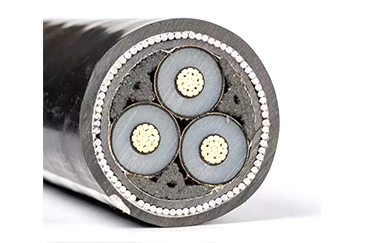
When discussing high-voltage power transmission, the 26/35kV single core aluminum power cable stands out as a vital component in modern electrical infrastructure. These cables are specifically designed to transport electrical energy efficiently over long distances while maintaining safety and reliability. **Specifications and Structure** The 26/35kV single core aluminum power cable is constructe
2026-10-11

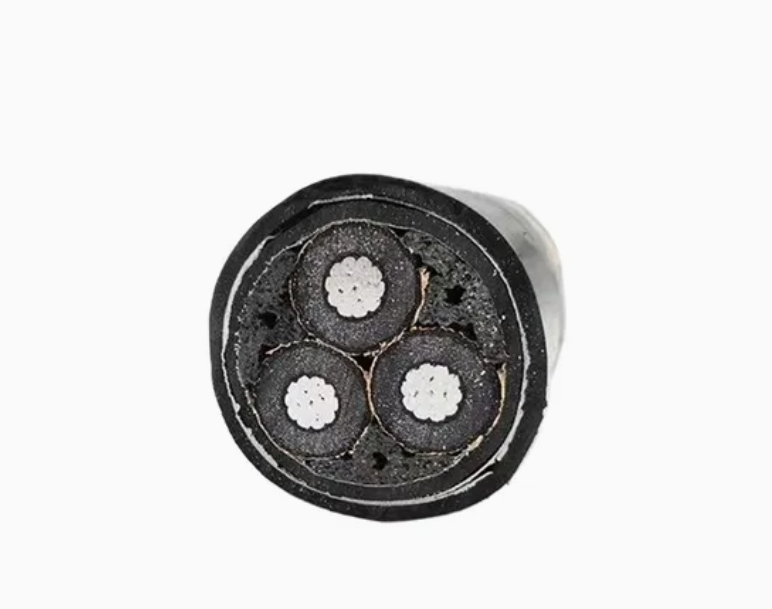
Key Features of 8.7/15kV Triple Core Aluminum Power Cables Explained
Key Features of 8.7/15kV Triple Core Aluminum Power Cables Explained In the realm of electrical engineering, choosing the right type of cable is crucial for ensuring efficient power transmission. One of the widely used cables in medium-voltage applications is the 8.7/15kV triple core aluminum power cable. This article delves into the key features of these cables, exploring their construction, adva
2026-10-04

Understanding 0.6/1kV Single Core Copper Conductor Power Cables
When it comes to electrical installations, choosing the right power cable is crucial for safety, efficiency, and longevity. One significant option in the market is the 0.6/1kV single core copper conductor power cable. This type of cable is designed to handle medium voltage applications, making it suitable for various industrial and commercial settings. The designation 0.6/1kV indicates that the ca
2026-09-27
0
Hunan Huatai Cable Co. LTD
Xiadopu Machinery Industrial Park, Ningxiang, Xiangjiang New District, Hunan Province

Follow us