


The Environmental Impact of 26/35kV Single Core Aluminum Power Cables: An In-Depth Analysis
Time of Release:
2026-05-13
Source:
Author:
The Environmental Impact of 26/35kV Single Core Aluminum Power Cables
In the realm of electrical engineering, 26/35kV single core aluminum power cables play a pivotal role in the efficient transmission of electricity. As global energy demands escalate, the environmental implications of these cables warrant thorough examination. This article seeks to elucidate the multifaceted environmental impacts associated with the life cycle of these power cables, from production to disposal, while also discussing potential sustainable alternatives.
Understanding 26/35kV Single Core Aluminum Power Cables
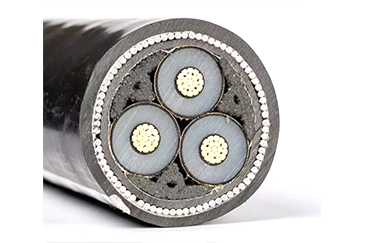
26/35kV single core aluminum power cables are essential components in modern electrical infrastructure. They are designed to distribute high voltage electricity, predominantly in industrial and utility applications. Their construction typically includes an aluminum conductor, insulation, and an outer sheath, providing durability and efficiency.
What Makes Aluminum a Preferred Material?
Aluminum is favored for its lightweight, cost-effectiveness, and excellent conductivity. Unlike copper, aluminum is abundant and relatively inexpensive, making it an attractive option for high-voltage cable manufacturing. However, the environmental implications of aluminum extraction and processing must be considered.
The Manufacturing Process of Aluminum Power Cables
The production of aluminum power cables begins with bauxite mining, which can lead to significant environmental degradation. This section will detail the various stages of manufacturing, including extraction, refining, and cable production, highlighting their respective environmental impacts.
The Environmental Footprint of Aluminum Production
Aluminum production is energy-intensive and contributes to greenhouse gas emissions. The process involves several steps:
Bauxite Mining: The First Step
Bauxite is the primary ore for aluminum production. Mining bauxite can result in ecosystem disruption, loss of biodiversity, and soil erosion. Additionally, the process often requires deforestation, further exacerbating climate change.
Refining Process: A Source of Pollution
The refining of bauxite to alumina employs the Bayer process, which generates significant waste. This waste, known as red mud, poses a disposal challenge and can contaminate local water sources if not managed properly. Furthermore, the refining process consumes vast amounts of energy, primarily derived from fossil fuels.
Installation and Usage: Operational Considerations
Once manufactured, the environmental impacts of 26/35kV single core aluminum power cables extend into their installation and operational phases. Proper installation minimizes risks, but improper handling can lead to environmental hazards.
Installation Practices and Their Environmental Impact
During the installation phase, environmental considerations include soil disturbances, potential impacts on local wildlife, and the management of construction waste. Utilizing best practices can mitigate these impacts significantly.
Operational Efficiency and Energy Loss
Aluminum cables possess lower resistivity compared to other materials, which translates to improved operational efficiency. However, energy losses due to corrosion and environmental factors can still occur during the cable's service life, necessitating ongoing maintenance and monitoring.
End-of-Life Management: Disposal and Recycling
The environmental impact of power cables does not end with their usage; end-of-life management is critical. This section discusses various disposal methods and their implications.
Landfill Concerns and Environmental Hazards
Improper disposal of aluminum cables in landfills can leach toxic substances into the soil and groundwater. Additionally, the physical space required for landfills poses a significant environmental concern, leading to habitat destruction.
The Role of Recycling in Mitigating Environmental Impact
Recycling aluminum power cables presents a sustainable solution to reduce environmental harm. The recycling process conserves energy and minimizes the need for raw material extraction. This section will explore the benefits of recycling, including reduced greenhouse gas emissions and lower overall energy consumption, thereby underscoring the importance of an efficient recycling system.
Alternatives to Single Core Aluminum Power Cables
As awareness of environmental issues grows, the demand for greener alternatives has surged. This section will explore innovative materials and technologies that can replace traditional aluminum power cables.
Composite Materials: A Sustainable Solution
Advancements in composite materials present a viable alternative to aluminum. These materials are designed to offer similar conductivity with a reduced environmental footprint. We'll explore the benefits and challenges associated with composite materials in power cable applications.
Smart Grid Technologies and Their Impact
Integrating smart grid technologies can enhance the efficiency of power distribution systems. By optimizing energy consumption and reducing losses, smart grid solutions contribute to a more sustainable electrical network.
Regulatory Framework and Industry Standards
The environmental impact of 26/35kV single core aluminum power cables is also influenced by regulatory frameworks and industry standards. This section will examine existing regulations aimed at minimizing environmental harm and promoting sustainability within the electrical industry.
International Standards for Environmental Management
Various international standards, such as ISO 14001, provide guidelines for organizations to manage their environmental responsibilities. Adhering to these standards can encourage companies to implement sustainable practices throughout the production and life cycle of power cables.
Conclusion: Moving Towards Sustainable Practices
As we navigate the complexities of electrical infrastructure, the environmental impact of 26/35kV single core aluminum power cables must be a priority. By understanding the entire life cycle—from production to disposal—we can identify opportunities for improvement. Emphasizing recycling, exploring alternative materials, and adhering to environmental regulations are essential steps toward minimizing the ecological footprint of these crucial components. The transition to sustainable practices in the electrical industry not only benefits the environment but also paves the way for a more energy-efficient future.
Frequently Asked Questions (FAQs)
1. What are the main environmental concerns associated with aluminum power cables?
The primary concerns include ecosystem disruption from bauxite mining, greenhouse gas emissions from aluminum production, and pollution from improper cable disposal.
2. Can aluminum power cables be recycled?
Yes, aluminum power cables can be recycled, which significantly reduces their environmental impact by conserving energy and minimizing the need for new raw materials.
3. What alternatives exist to traditional aluminum cables?
Composite materials and smart grid technologies are emerging as sustainable alternatives to traditional aluminum cables, offering similar performance with reduced environmental footprints.
4. How can companies ensure sustainable practices in cable production?
Companies can adopt international standards like ISO 14001, implement recycling programs, and prioritize sustainable material sourcing to ensure environmentally responsible production practices.
5. What is the significance of regulations in minimizing environmental impacts?
Regulations provide a framework for companies to manage their environmental impact, promoting sustainable practices and encouraging innovation in eco-friendly technologies.
Related information
The Environmental Impact of 26/35kV Single Core Aluminum Power Cables: An In-Depth Analysis
The Environmental Impact of 26/35kV Single Core Aluminum Power Cables In the realm of electrical engineering, 26/35kV single core aluminum power cables play a pivotal role in the efficient transmission of electricity. As global energy demands escalate, the environmental implications of these cables warrant thorough examination. This article seeks to elucidate the multifaceted environmental impacts
2026-05-13

Understanding 8.7/15kV Triple Cores Aluminum Power Cable: Features and Applications
When discussing the **8.7/15kV triple cores aluminum power cable**, it is important to highlight its key features and applications in the electrical engineering field. This type of cable is designed for high-voltage transmission and distribution, making it essential for efficient power supply in various industrial and commercial settings. One of the primary characteristics of the **8.7/15kV cable*
2026-05-08

Understanding 8.7/15kV Aluminum Power Cables: Key Features and Applications
--- The 8.7/15kV aluminum power cable is a critical component in the electrical engineering sector, particularly for medium-voltage applications. These cables are designed to operate efficiently at voltages up to 15 kV, making them suitable for various industrial and commercial settings. Understanding the characteristics and applications of these cables can help professionals make informed decisio
2026-05-02
0
Hunan Huatai Cable Co. LTD
Xiadopu Machinery Industrial Park, Ningxiang, Xiangjiang New District, Hunan Province

Follow us