


The Impact of 300/500V Electric Wires on Your Home's Energy Efficiency
Time of Release:
2026-03-06
Source:
Author:
The Impact of 300/500V Electric Wires on Your Home's Energy Efficiency
In today's energy-conscious world, homeowners are increasingly looking for ways to reduce energy consumption and improve efficiency. One often-overlooked aspect of a home's energy performance is its wiring system. Specifically, the use of **300/500V electric wires** can have a significant impact on your home’s overall energy efficiency. This article delves into the effects of these wires and offers insights on how they contribute to energy savings, safety, and overall electrical performance.
Understanding 300/500V Electric Wires
Before discussing their impact on energy efficiency, it’s crucial to understand what 300/500V electric wires are. These wires are designed to operate effectively in a range of residential and commercial electrical applications. Their voltage rating indicates that they can safely handle up to 500 volts, making them suitable for various electrical installations, including lighting, appliances, and HVAC systems.
Types of 300/500V Electric Wires
In the realm of electrical wiring, several types of 300/500V wires are commonly used:
1. PVC Insulated Wires
These wires feature **polyvinyl chloride (PVC)** insulation, which provides excellent protection against moisture and abrasion. They are widely used for indoor installations due to their durability and cost-effectiveness.
2. XLPE Insulated Wires
Cross-linked polyethylene (XLPE) insulated wires offer superior thermal resistance and can endure higher temperatures compared to PVC. This makes them ideal for more demanding applications.
3. Armored Wires
Armored wires come with an additional layer of protection, usually made from steel or aluminum. This added durability is crucial for external installations or environments where physical damage is a concern.
The Importance of Proper Installation
The installation of 300/500V electric wires plays a critical role in maximizing energy efficiency. If not installed correctly, even the best wires can underperform.
Key Installation Considerations
- **Professional Expertise**: Always engage a licensed electrician for installation. Their expertise ensures that all local electrical codes are met, reducing the risk of future issues.
- **Proper Sizing**: Choosing the right wire gauge is essential. Undersized wires can lead to overheating and energy losses, while oversized wires can be unnecessarily expensive.
- **Secure Connections**: All connections should be tight and well-insulated to prevent energy loss through heat and arcing.
Energy Efficiency Benefits of 300/500V Electric Wires
Using 300/500V electric wires can lead to several energy efficiency benefits that contribute to lower utility bills and a reduced environmental footprint.
1. Reduced Energy Loss
High-quality wiring minimizes energy loss through resistance. When electricity travels through wires, some energy is inevitably lost as heat. However, 300/500V wires, especially those with high-quality insulation, reduce this loss, ensuring that more energy reaches its destination.
2. Better Performance of Electrical Devices
Properly installed electric wires enhance the performance of appliances and devices. When these devices receive the correct voltage without significant losses, they operate more efficiently, resulting in lower energy consumption.
3. Long-Term Durability
Investing in quality 300/500V wires can lead to long-term cost savings. These wires are designed to withstand wear and tear, reducing the need for frequent replacements or repairs. This durability translates to fewer disruptions and lower maintenance costs over time.
Maintenance Tips for 300/500V Electric Wires
To maintain energy efficiency, regular maintenance of your electrical system is essential. Here are some tips to help keep your 300/500V wires in optimal condition:
1. Regular Inspections
Schedule periodic inspections with a qualified electrician to identify any signs of wear, damage, or corrosion. Catching problems early prevents more significant issues down the line.
2. Check Connections
Ensure that all connections remain tight and secure. Loose connections can lead to energy loss and increase the risk of electrical fires.
3. Monitor for Overheating
Keep an eye out for any signs of overheating, such as discoloration of wire insulation or a burning smell. If you detect these signs, contact an electrician immediately.
Common Misconceptions about 300/500V Electric Wires
Despite their benefits, there are misconceptions about 300/500V electric wires that can hinder their adoption in homes.
1. All Wires Are Created Equal
Not all wires are the same. The quality of materials, insulation, and construction significantly affects performance. Opting for lower-quality wires can lead to inefficiencies and safety hazards.
2. Energy Efficiency Comes Only from Appliances
While energy-efficient appliances are essential, the electrical infrastructure also plays a critical role in energy savings. Investing in high-quality wiring complements appliance efficiency.
3. Wires Don't Require Maintenance
It's a common belief that wiring is a one-time installation. However, regular maintenance is essential to ensure longevity and efficiency.
FAQs about 300/500V Electric Wires
1. What is the difference between 300V and 500V wires?
The primary difference lies in their voltage ratings. 300V wires are suitable for lower voltage applications, while 500V wires are designed for more demanding electrical systems.
2. Can I use 300/500V wires outdoors?
Yes, but it is important to choose the right type, such as armored or XLPE insulated wires, to protect against environmental factors.
3. How often should I have my electrical wiring inspected?
It’s recommended to have your wiring inspected every five years or sooner if you notice any issues.
4. Are 300/500V wires safe for residential use?
Yes, when installed correctly by a professional, 300/500V wires are safe and effective for residential applications.
5. Can I replace my old wiring with 300/500V wires myself?
While it might be tempting, it’s best to hire a licensed electrician to ensure safety and compliance with local codes.
Conclusion
In conclusion, the **impact of 300/500V electric wires** on your home's energy efficiency cannot be overstated. These wires not only reduce energy loss but also enhance the performance of your electrical devices, contributing to long-term savings and safety. By ensuring proper installation and maintenance, homeowners can significantly improve their energy efficiency, reduce costs, and create a safer living environment. Investing in quality wiring is a crucial step towards a more energy-efficient home, paving the way for a sustainable future.
previous page:
Related information

What You Need to Know About 450/750V Electric Wires for Home Renovations
What You Need to Know About 450/750V Electric Wires for Home Renovations Introduction to 450/750V Electric Wires In modern home renovations, understanding the electrical components is crucial for ensuring safety and effectiveness. One of the most common types of wiring used in residential projects is the **450/750V electric wire**. These wires are designed to handle medium voltage applications, ma
2026-10-18

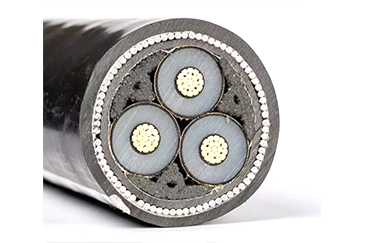
When discussing high-voltage power transmission, the 26/35kV single core aluminum power cable stands out as a vital component in modern electrical infrastructure. These cables are specifically designed to transport electrical energy efficiently over long distances while maintaining safety and reliability. **Specifications and Structure** The 26/35kV single core aluminum power cable is constructe
2026-10-11
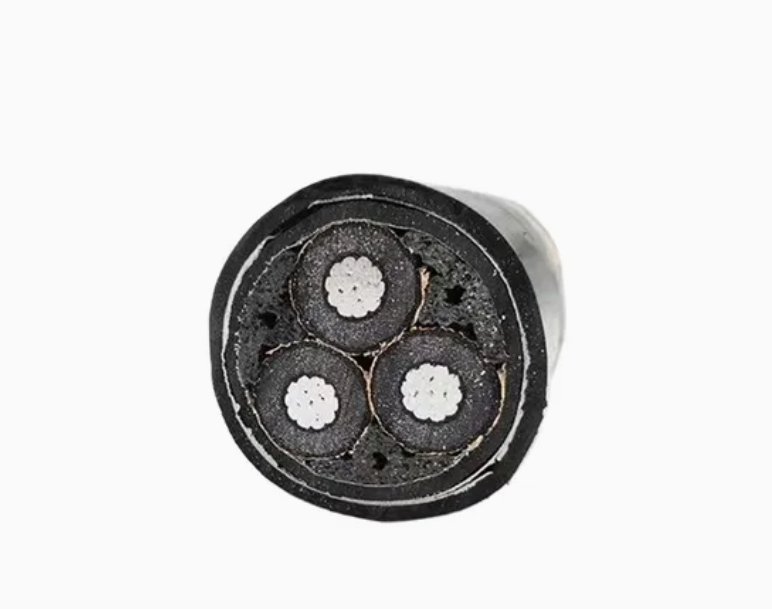
Key Features of 8.7/15kV Triple Core Aluminum Power Cables Explained
Key Features of 8.7/15kV Triple Core Aluminum Power Cables Explained In the realm of electrical engineering, choosing the right type of cable is crucial for ensuring efficient power transmission. One of the widely used cables in medium-voltage applications is the 8.7/15kV triple core aluminum power cable. This article delves into the key features of these cables, exploring their construction, adva
2026-10-04
0
Hunan Huatai Cable Co. LTD
Xiadopu Machinery Industrial Park, Ningxiang, Xiangjiang New District, Hunan Province

Follow us