


Understanding 450/750V House Use Electric Wires: Essential Insights for Professionals
Time of Release:
2026-03-03
Source:
Author:
The 450/750V electric wires are typically available in different conductor materials, such as copper and aluminum. Copper wires, known for their superior conductivity and flexibility, are often favored in environments where performance is critical. Aluminum wires, while slightly less conductive, are lighter and can be more economical for certain applications. It's essential to consider these properties when selecting the appropriate wire type for specific installations.
In residential applications, 450/750V wires are commonly used for fixed installations, such as in walls, ceilings, and floors. They are suitable for connecting various electrical appliances, lighting fixtures, and power outlets. Additionally, these wires often come insulated, which is necessary for ensuring safety and compliance with electrical standards. Insulation materials can vary, with options such as PVC and XLPE providing resistance to heat, moisture, and abrasion.
One of the key factors to consider when working with 450/750V house use electric wires is the environmental conditions of the installation site. Factors like temperature fluctuations, exposure to moisture, and potential chemical interactions can affect the wire's performance and lifespan. As a professional, conducting a thorough assessment of these conditions before installation will help you choose the right wire type and insulation material for your project.
Moreover, compliance with local electrical codes and regulations is paramount when using 450/750V wires. These codes are designed to ensure safety and reliability in electrical installations. Familiarizing yourself with the relevant standards will not only protect your clients but also enhance your credibility as a skilled electrical professional.
In conclusion, 450/750V house use electric wires play a vital role in residential electrical systems. Understanding their characteristics, applications, and compliance requirements is essential for achieving safe and effective installations. By prioritizing these considerations, electrical professionals can ensure that their projects meet the highest standards of quality and safety, ultimately contributing to effective and lasting electrical solutions in homes.
Related information

Understanding 450/750V House Use Electric Wires: Essential Insights for Professionals
When it comes to electrical installations in residential settings, understanding the specifications and applications of 450/750V house use electric wires is crucial. These wires are designed to handle a maximum voltage of 750 volts, making them ideal for various types of domestic electrical systems. Their versatility and reliability make them a preferred choice for many professionals in the electr
2026-03-03

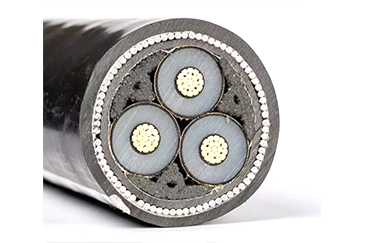
Exploring Future Trends in 26/35kV Single Core Aluminum Power Cable Technology
Exploring Future Trends in 26/35kV Single Core Aluminum Power Cable Technology Table of Contents Introduction to 26/35kV Single Core Aluminum Power Cables The Importance of 26/35kV Power Cables in Modern Electrical Systems Technological Advancements in Power Cable Design Sustainability Trends in Power Cable Manufacturing Performance Improvements in 26/35kV Single Core Aluminum
2026-02-28
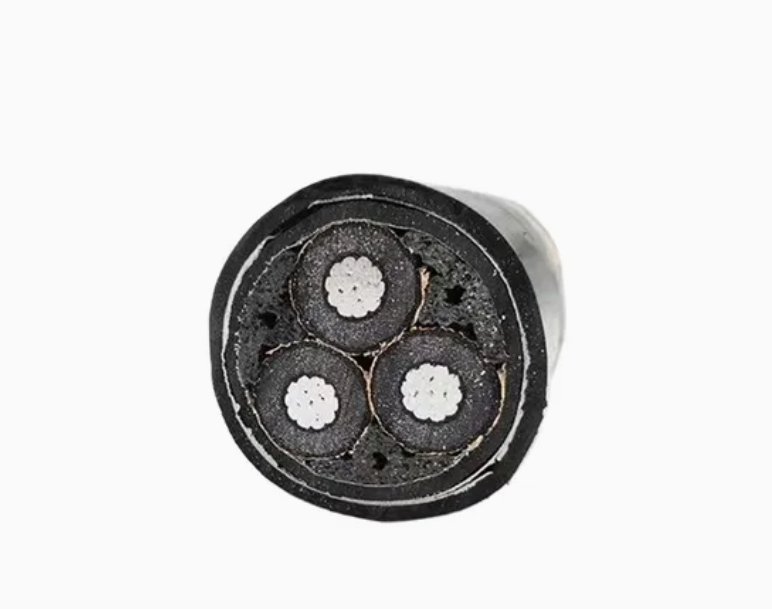
When it comes to transmitting electrical energy effectively and safely, the choice of cable is pivotal. Among the various options available, the 8.7/15kV triple core aluminum power cable stands out as a significant choice for medium voltage applications. This type of cable is designed to operate at a voltage rating of 8.7/15kV, making it suitable for different power distribution systems. The const
2026-02-25
0
Hunan Huatai Cable Co. LTD
Xiadopu Machinery Industrial Park, Ningxiang, Xiangjiang New District, Hunan Province

Follow us