


Understanding the Lifespan of 300/500V Electric Wires: A Comprehensive Guide
Time of Release:
2025-12-03
Source:
Author:
Understanding the Lifespan of 300/500V Electric Wires
Table of Contents
1. Introduction to 300/500V Electric Wires
2. Importance of Lifespan in Electrical Applications
3. Factors Influencing the Lifespan of Electric Wires
3.1. Material Quality
3.2. Environmental Factors
3.3. Installation Practices
3.4. Usage Conditions
4. Average Lifespan of 300/500V Electric Wires
5. Signs of Wear and Tear in Electric Wires
6. Maintenance Tips for Extending Lifespan
7. Conclusion
8. Frequently Asked Questions (FAQs)
1. Introduction to 300/500V Electric Wires
When it comes to electrical installations, the choice of wire is paramount. **300/500V electric wires** are widely utilized in various applications, from residential to industrial settings. These wires are designed to operate effectively at voltage levels of up to 500 volts, making them suitable for a myriad of electrical tasks. Understanding their lifespan and the factors that affect it is crucial for ensuring safety and efficiency in any electrical project.
2. Importance of Lifespan in Electrical Applications
The lifespan of electric wires directly affects the **safety and reliability** of electrical systems. Over time, wires can degrade due to various factors, leading to potential hazards such as short circuits, electrical fires, or equipment failure. By understanding the expected lifespan of 300/500V electric wires, we can make informed decisions regarding installation, maintenance, and replacement, thereby enhancing the overall safety of our electrical systems.
3. Factors Influencing the Lifespan of Electric Wires
Several factors contribute to the longevity of 300/500V electric wires. Recognizing these factors can help us maintain our electrical systems effectively.
3.1. Material Quality
The material used in the manufacturing of electric wires plays a significant role in determining their lifespan. Copper and aluminum are the most common materials used. **Copper wires** are known for their excellent conductivity and resistance to corrosion, whereas **aluminum wires** are lightweight and cost-effective but may be more prone to oxidation. Choosing high-quality materials is essential for maximizing the lifespan of electric wires.
3.2. Environmental Factors
Environmental conditions such as temperature, humidity, and exposure to chemicals can significantly impact the durability of 300/500V electric wires. For instance, wires installed in high-temperature areas may experience thermal degradation, while those exposed to moisture may be at risk of corrosion. Adequate protection from environmental factors is crucial for extending the lifespan of electric wiring systems.
3.3. Installation Practices
Proper installation practices are vital for ensuring the longevity of electric wires. Incorrect installation, such as improper bending, excessive tension, or inadequate support, can lead to physical damage and shorten the lifespan of the wires. Engaging a qualified electrician with experience in handling 300/500V wires is essential for optimal installation.
3.4. Usage Conditions
The conditions under which electric wires operate also affect their lifespan. Overloading wires beyond their rated capacity can lead to overheating and premature failure. Additionally, frequent on-off cycling or exposure to electrical surges can stress the wire insulation and impact longevity. Ensuring that wires are used within their specifications is crucial for maintaining their integrity.
4. Average Lifespan of 300/500V Electric Wires
On average, **300/500V electric wires** have a lifespan ranging from **20 to 30 years** under optimal conditions. However, this lifespan can vary significantly based on the factors mentioned above. Regular inspections and maintenance can help identify any issues early, allowing for timely replacements and ensuring the safety of the electrical system.
5. Signs of Wear and Tear in Electric Wires
Recognizing the signs of wear and tear is essential for maintaining the safety and functionality of electrical systems. Common indicators that may suggest the need for inspection or replacement include:
- **Discoloration or discoloration of insulation**: This can indicate overheating or chemical exposure.
- **Cracks or fraying in the insulation**: Physical damage can expose wires and increase the risk of short circuits.
- **Unusual odors**: Burning smells can indicate overheating or insulation degradation.
- **Frequent tripping of circuit breakers**: This may signal a short circuit or overload in the wiring.
Regular inspections can help catch these issues early.
6. Maintenance Tips for Extending Lifespan
To maximize the lifespan of **300/500V electric wires**, consider the following maintenance tips:
1. **Regular Inspections**: Conduct routine checks for signs of wear, corrosion, or physical damage to the wiring.
2. **Proper Storage**: If wires are stored before installation, keep them in a cool, dry place to prevent degradation.
3. **Avoid Overloading**: Ensure that the electrical load does not exceed the wire's rated capacity to prevent overheating.
4. **Protect from Environmental Hazards**: Use appropriate conduits and insulation to shield wires from moisture, chemicals, and extreme temperatures.
5. **Professional Installation**: Hire qualified electricians to ensure proper installation and adherence to safety standards.
By following these maintenance tips, you can significantly extend the lifespan of your electric wiring systems.
7. Conclusion
Understanding the lifespan of **300/500V electric wires** is essential for maintaining safe and efficient electrical systems. By considering the factors that influence wire longevity—such as material quality, environmental conditions, installation practices, and usage conditions—we can make informed decisions that enhance safety and performance. Regular inspections and maintenance are critical for detecting potential issues early, ensuring that our electrical systems remain reliable and functional for years to come.
8. Frequently Asked Questions (FAQs)
**Q1: What is the typical lifespan of 300/500V electric wires?**
A1: The average lifespan ranges from 20 to 30 years under optimal conditions.
**Q2: What factors can shorten the lifespan of electric wires?**
A2: Factors include material quality, environmental conditions, improper installation, and excessive electrical loads.
**Q3: How can I tell if my electric wires need to be replaced?**
A3: Look for discoloration, cracks in insulation, unusual odors, or frequent circuit breaker trips as signs of wear.
**Q4: Is it safe to install 300/500V wires myself?**
A4: It is recommended to hire a qualified electrician to ensure proper installation and compliance with safety standards.
**Q5: What maintenance should I perform on electric wires?**
A5: Regular inspections for damage, protection from environmental hazards, and ensuring appropriate electrical loads are key maintenance practices.
By leveraging this comprehensive guide, you can enhance your understanding of 300/500V electric wires and ensure the longevity and safety of your electrical systems.
previous page:
Related information
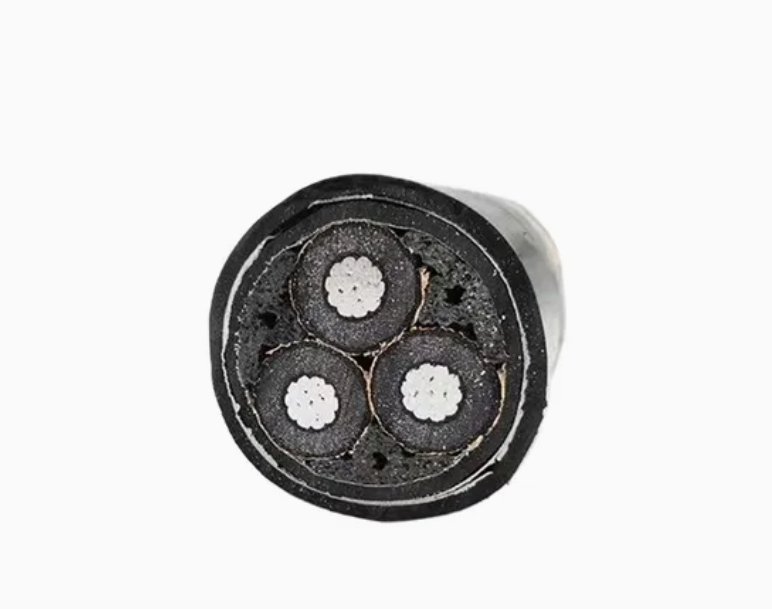
Understanding 8.7/15kV Triple Core Aluminum Power Cables: Key Insights for Electrical Applications
In the realm of electrical engineering, the choice of cables is crucial for ensuring efficient power distribution and safety. One such option is the 8.7/15kV triple core aluminum power cable, which is designed for medium voltage applications. This cable is particularly noted for its robustness and flexibility, making it an ideal choice for various electrical projects. The 8.7/15kV designation refe
2025-12-12

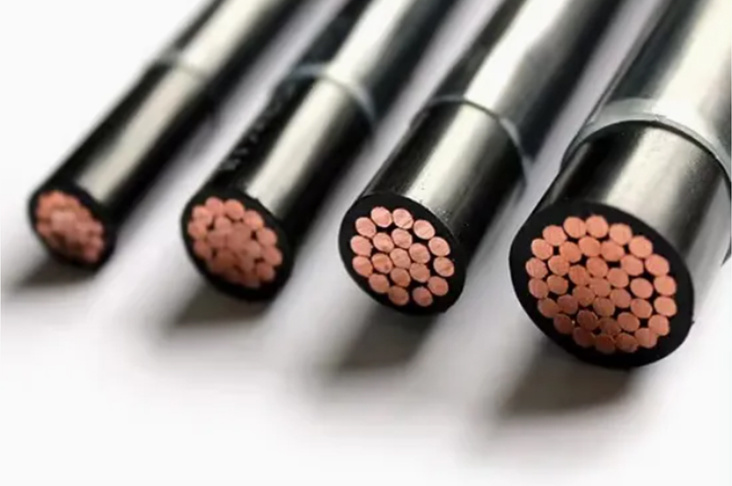
The Role of 0.6/1kV Single Core Copper Power Cables in Modern Electrical Systems
The Role of 0.6/1kV Single Core Copper Power Cables in Modern Electrical Systems Table of Contents Introduction to Single Core Copper Power Cables Overview of 0.6/1kV Power Cables Applications of 0.6/1kV Single Core Copper Power Cables Benefits of Using 0.6/1kV Single Core Copper Power Cables Installation and Maintenance Guidelines Comparison with Other Cable Types Industry Standard
2025-12-09

Understanding 8.7/15kV Aluminum Power Cables: Essentials for Electrical Professionals
When it comes to power distribution systems, the choice of cable is paramount, and the 8.7/15kV aluminum power cable stands out as a preferred option for many electrical projects. These cables are specifically designed for medium voltage applications, making them suitable for various installations, including industrial and commercial settings. One of the primary advantages of 8.7/15kV aluminum pow
2025-12-06
0
Hunan Huatai Cable Co. LTD
Xiadopu Machinery Industrial Park, Ningxiang, Xiangjiang New District, Hunan Province

Follow us