


Understanding 450/750V House Use Electric Wires: Essential Insights for Safe Electrical Installations
Time of Release:
2025-11-30
Source:
Author:
One of the key features of 450/750V electric wires is their insulation. Typically, these wires are constructed with durable materials that can withstand environmental factors, including heat and moisture, while providing excellent electrical insulation. This is particularly important in residential settings where wires may be exposed to different conditions, such as attics, basements, or outdoor environments.
In terms of applications, 450/750V house use electric wires are commonly employed in lighting, power distribution, and even in the installation of household appliances. Their versatility is one of the reasons why they are preferred in many home wiring projects. However, it is essential to select the right type of wire for each specific application to ensure safety and compliance with electrical codes.
Another critical aspect to consider is the wire gauge. The gauge of a wire refers to its thickness, which significantly impacts its current-carrying capacity. For household use, common gauges include 1.5 mm² and 2.5 mm², with the thicker wires typically being used for higher power applications. When choosing the appropriate gauge, it’s vital to assess the expected load to avoid overheating and potential fire hazards.
Moreover, proper installation techniques are equally important when working with 450/750V electric wires. Ensuring that connections are secure, avoiding sharp bends, and using appropriate protective conduits can help prevent damage to the wiring and reduce the risk of electrical faults. Additionally, all installations should comply with local electrical codes and standards, which may vary by region.
Finally, regular inspections and maintenance can help ensure the longevity and safety of your electrical installations. Homeowners should be aware of the signs of wear or damage to their wiring and consult a qualified electrician when in doubt.
In summary, 450/750V house use electric wires provide essential functions in residential electrical systems, but understanding their characteristics and proper usage is vital for safety and effectiveness. Whether you are an electrician or a homeowner, being informed about these wires will help you make better decisions for your electrical projects.
Related information
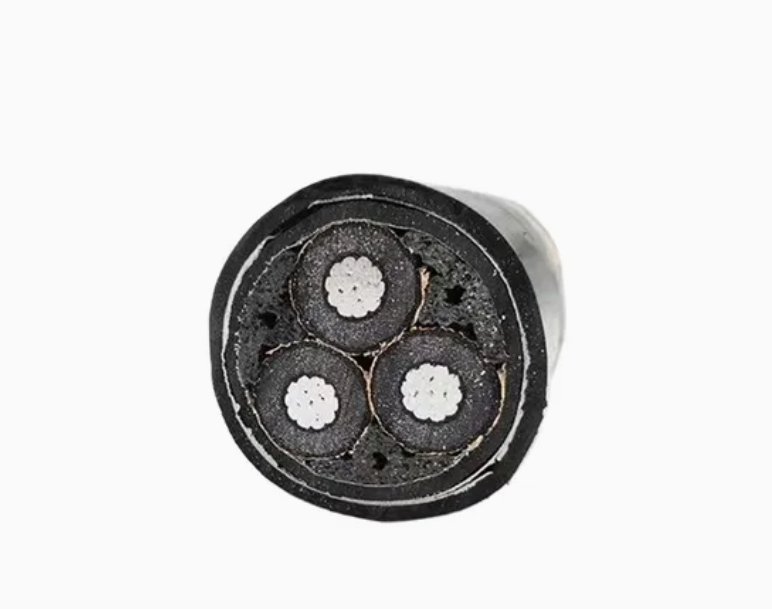
Understanding 8.7/15kV Triple Core Aluminum Power Cables: Key Insights for Electrical Applications
In the realm of electrical engineering, the choice of cables is crucial for ensuring efficient power distribution and safety. One such option is the 8.7/15kV triple core aluminum power cable, which is designed for medium voltage applications. This cable is particularly noted for its robustness and flexibility, making it an ideal choice for various electrical projects. The 8.7/15kV designation refe
2025-12-12

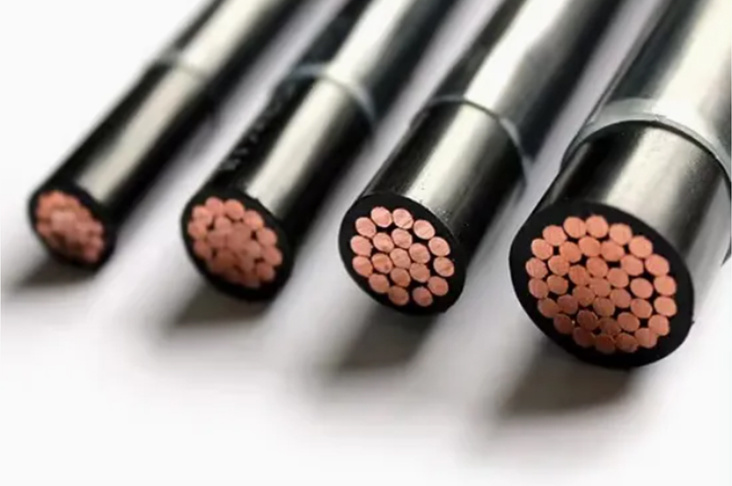
The Role of 0.6/1kV Single Core Copper Power Cables in Modern Electrical Systems
The Role of 0.6/1kV Single Core Copper Power Cables in Modern Electrical Systems Table of Contents Introduction to Single Core Copper Power Cables Overview of 0.6/1kV Power Cables Applications of 0.6/1kV Single Core Copper Power Cables Benefits of Using 0.6/1kV Single Core Copper Power Cables Installation and Maintenance Guidelines Comparison with Other Cable Types Industry Standard
2025-12-09

Understanding 8.7/15kV Aluminum Power Cables: Essentials for Electrical Professionals
When it comes to power distribution systems, the choice of cable is paramount, and the 8.7/15kV aluminum power cable stands out as a preferred option for many electrical projects. These cables are specifically designed for medium voltage applications, making them suitable for various installations, including industrial and commercial settings. One of the primary advantages of 8.7/15kV aluminum pow
2025-12-06
0
Hunan Huatai Cable Co. LTD
Xiadopu Machinery Industrial Park, Ningxiang, Xiangjiang New District, Hunan Province

Follow us