


The Role of 0.6/1kV Single Core Copper Power Cables in Modern Electrical Systems
Time of Release:
2025-12-09
Source:
Author:
The Role of 0.6/1kV Single Core Copper Power Cables in Modern Electrical Systems
Table of Contents
- Introduction to Single Core Copper Power Cables
- Overview of 0.6/1kV Power Cables
- Applications of 0.6/1kV Single Core Copper Power Cables
- Benefits of Using 0.6/1kV Single Core Copper Power Cables
- Installation and Maintenance Guidelines
- Comparison with Other Cable Types
- Industry Standards and Compliance
- Future Trends in Electrical Cabling Technologies
- FAQs About 0.6/1kV Single Core Copper Power Cables
- Conclusion
Introduction to Single Core Copper Power Cables
In modern electrical systems, **0.6/1kV single core copper power cables** play a vital role in ensuring reliable and efficient power distribution. These cables are designed to handle low voltage applications with utmost efficiency, making them integral to various sectors, including residential, commercial, and industrial. This article aims to provide a comprehensive understanding of the significance of these cables within contemporary electrical infrastructure.
Overview of 0.6/1kV Power Cables
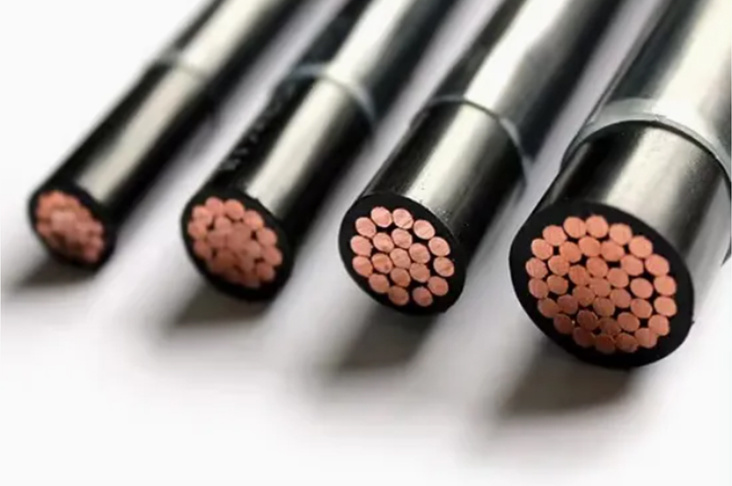
**0.6/1kV single core copper power cables** are specifically engineered to carry electrical current at low voltage levels, typically up to 1,000 volts. This type of cable consists of a single copper conductor, which is highly conductive and flexible, allowing for easy installation in various environments.
Specifications of 0.6/1kV Cables
These cables typically feature:
- **Conductor Material**: High-quality copper for superior conductivity.
- **Insulation**: Cross-linked polyethylene (XLPE) or polyvinyl chloride (PVC) for enhanced durability and resistance to environmental factors.
- **Temperature Rating**: Capable of operating in a range of temperatures, often from -15°C to +90°C, depending on the insulation type.
- **Sheath**: An outer protective layer that guards against mechanical damage and environmental exposure.
Key Features
- **Flexibility**: The design allows for easy routing in tight spaces.
- **Durability**: Resistant to moisture, chemicals, and UV radiation, ensuring longevity.
- **Safety**: Complies with international safety standards, minimizing the risk of electrical hazards.
Applications of 0.6/1kV Single Core Copper Power Cables
The versatility of **0.6/1kV single core copper power cables** makes them suitable for a variety of applications:
Residential Applications
In residential settings, these cables are widely used for:
- **Power Supply**: Connecting electrical installations to the main power grid.
- **Lighting Circuits**: Wiring for interior and exterior lighting solutions.
Commercial Applications
In commercial environments, these cables are essential for:
- **HVAC Systems**: Powering heating, ventilation, and air conditioning systems.
- **Elevators and Escalators**: Supplying electricity to these essential systems.
Industrial Applications
In industrial settings, their robust design supports:
- **Machinery Operation**: High performance in powering heavy machinery.
- **Power Distribution**: Interconnecting transformers, substations, and other power distribution components.
Benefits of Using 0.6/1kV Single Core Copper Power Cables
The advantages of utilizing **0.6/1kV single core copper power cables** are numerous:
High Conductivity
Copper is renowned for its excellent conductivity, ensuring minimal power loss during transmission. This characteristic is crucial for energy efficiency.
Cost-Effectiveness
Although copper cables can be more expensive than aluminum counterparts, their longer lifespan and lower maintenance costs make them a cost-effective choice in the long run.
Reduced Voltage Drop
The robust design of these cables facilitates lower voltage drop, optimizing performance and enhancing energy efficiency.
Flexibility and Ease of Installation
Their lightweight and flexible nature allows for easier handling and installation in diverse environments, reducing labor costs and time.
Installation and Maintenance Guidelines
Proper installation and maintenance of **0.6/1kV single core copper power cables** are paramount for safety and longevity.
Installation Considerations
- **Route Planning**: Plan the cable route to minimize bends and ensure easy access for maintenance.
- **Support Systems**: Use appropriate cable trays or conduits to support the cables and prevent mechanical damage.
- **Environmental Conditions**: Ensure cables are installed in environments suitable for their specifications, especially regarding temperature and moisture.
Maintenance Tips
- **Regular Inspections**: Conduct inspections to check for signs of wear, damage, or environmental impact.
- **Testing**: Implement regular electrical testing to ensure functionality and safety compliance.
- **Prompt Repairs**: Address any issues immediately to prevent further damage and ensure uninterrupted service.
Comparison with Other Cable Types
When considering power cables, it's essential to understand how **0.6/1kV single core copper power cables** stack up against other options available in the market.
Single Core vs. Multi-Core Cables
Single core cables are typically more straightforward to install and maintain when compared to multi-core cables, which may offer increased flexibility but can complicate installation processes.
Copper vs. Aluminum Cables
While aluminum cables are lighter and less expensive, copper cables provide superior conductivity, durability, and resistance to corrosion, making them a preferred choice in many critical applications.
Industry Standards and Compliance
Compliance with industry standards is crucial for ensuring the safety and reliability of **0.6/1kV single core copper power cables**.
International Standards
- **IEC 60228**: This standard outlines the requirements for conductors used in power cables.
- **BS 7671**: The IET Wiring Regulations provide guidelines for electrical installations in the UK, including cable selection.
Certification and Testing
Cables should be certified and tested according to relevant standards to guarantee their performance and safety. Regular audits of manufacturing processes and quality assurance practices are also vital.
Future Trends in Electrical Cabling Technologies
As technology advances, the future of **0.6/1kV single core copper power cables** is promising. Innovations may include:
Smart Grid Integration
Future electrical systems are expected to integrate with smart grid technologies, enhancing efficiency and enabling real-time monitoring of electrical distribution.
Improved Materials
Research and development in materials science may lead to the creation of even more efficient conductors and insulators, improving energy efficiency and durability.
Environmental Considerations
Sustainability is becoming increasingly important. Future cables may incorporate eco-friendly materials and manufacturing processes to minimize environmental impact.
FAQs About 0.6/1kV Single Core Copper Power Cables
What is the primary use of 0.6/1kV single core copper power cables?
These cables are primarily used for low voltage power distribution in residential, commercial, and industrial applications.
How does copper compare to aluminum for power cables?
Copper offers better conductivity, durability, and resistance to corrosion compared to aluminum, making it a preferred choice for many applications.
What are the temperature ratings for 0.6/1kV cables?
These cables typically operate in a temperature range from -15°C to +90°C, depending on the insulation type.
Are 0.6/1kV single core copper power cables suitable for outdoor use?
Yes, when appropriately rated for outdoor conditions, these cables can be used in external applications, provided they feature adequate UV resistance.
What maintenance is required for these cables?
Regular inspections, electrical testing, and prompt repairs are essential for maintaining the integrity and safety of the cables.
Conclusion
In summary, **0.6/1kV single core copper power cables** are fundamental components in modern electrical systems, offering unmatched performance, flexibility, and longevity. Their applications span various sectors, from residential to industrial, underlining their versatility and reliability. As technology continues to evolve, these cables will remain at the forefront of energy distribution, adapting to meet the growing demands of our increasingly electrified world. Investing in high-quality cables is not merely a choice but a necessity for ensuring safety, efficiency, and sustainability in electrical systems.
previous page:
Related information
Understanding 8.7/15kV Triple Core Aluminum Power Cables: Key Insights for Electrical Applications
In the realm of electrical engineering, the choice of cables is crucial for ensuring efficient power distribution and safety. One such option is the 8.7/15kV triple core aluminum power cable, which is designed for medium voltage applications. This cable is particularly noted for its robustness and flexibility, making it an ideal choice for various electrical projects. The 8.7/15kV designation refe
2025-12-12

The Role of 0.6/1kV Single Core Copper Power Cables in Modern Electrical Systems
The Role of 0.6/1kV Single Core Copper Power Cables in Modern Electrical Systems Table of Contents Introduction to Single Core Copper Power Cables Overview of 0.6/1kV Power Cables Applications of 0.6/1kV Single Core Copper Power Cables Benefits of Using 0.6/1kV Single Core Copper Power Cables Installation and Maintenance Guidelines Comparison with Other Cable Types Industry Standard
2025-12-09

Understanding 8.7/15kV Aluminum Power Cables: Essentials for Electrical Professionals
When it comes to power distribution systems, the choice of cable is paramount, and the 8.7/15kV aluminum power cable stands out as a preferred option for many electrical projects. These cables are specifically designed for medium voltage applications, making them suitable for various installations, including industrial and commercial settings. One of the primary advantages of 8.7/15kV aluminum pow
2025-12-06
0
Hunan Huatai Cable Co. LTD
Xiadopu Machinery Industrial Park, Ningxiang, Xiangjiang New District, Hunan Province

Follow us