


Fluoroplastic Cable: Advanced Wiring Solution for Extreme Industrial Environments
Time of Release:
2026-07-23
Source:
Author:
Fluoroplastic cable is a high-performance electrical cable designed with fluoroplastic insulation materials, providing outstanding heat resistance, chemical stability, electrical insulation, and long-term operational reliability. Due to its excellent ability to withstand harsh environments, Fluoroplastic cable is widely used in aerospace, electronics, chemical processing, medical equipment, industrial automation, communication systems, and other specialized fields where cable performance requirements are extremely high.
The unique properties of Fluoroplastic cable come from the advanced fluoroplastic insulation structure. Compared with traditional cable materials, fluoroplastic materials offer superior resistance to high temperatures, corrosion, oils, solvents, moisture, and aging. This allows the cable to maintain stable electrical characteristics even in demanding working conditions. Whether exposed to continuous heat, chemical environments, or frequent temperature changes, Fluoroplastic cable can provide reliable performance and extended service life.
One of the most important advantages of Fluoroplastic cable is its excellent temperature resistance. Many industrial applications require cables to operate under high or low temperature conditions without losing insulation performance. Fluoroplastic materials help the cable maintain flexibility, strength, and electrical stability across a wide temperature range. This makes it suitable for equipment installed near heating systems, industrial machinery, testing equipment, and precision instruments.
The manufacturing process of Fluoroplastic cable involves multiple precision production steps, including conductor selection, insulation extrusion, high-temperature processing, cable assembly, surface treatment, and strict quality inspection. High-quality conductive materials are selected to ensure efficient signal and power transmission. Advanced extrusion technology helps achieve uniform insulation thickness, smooth surfaces, and consistent cable dimensions. Each production stage is carefully controlled to ensure product reliability and safety.
Fluoroplastic cable is available in various structures and specifications to meet different application requirements. Manufacturers can customize conductor types, core numbers, cable sizes, voltage ratings, temperature ranges, shielding options, and outer designs according to customer needs. These flexible customization options allow the cable to adapt to different industries and complex installation environments.
In industrial automation systems, Fluoroplastic cable is commonly used for control equipment, sensors, motors, and precision machinery. In the electronics industry, it supports high-frequency signal transmission and sensitive electronic connections. In chemical and laboratory environments, its excellent chemical resistance makes it a reliable choice for equipment exposed to aggressive substances. Medical devices, communication equipment, and aerospace systems also benefit from its stable performance and durability.
As industries continue to develop toward higher efficiency, automation, and smarter technologies, the demand for advanced cable solutions continues to grow. Fluoroplastic cable plays an important role in modern electrical systems because of its combination of durability, safety, and environmental adaptability. Continuous improvements in material technology and manufacturing processes further enhance its performance and expand its application possibilities.
With excellent resistance characteristics, reliable insulation performance, and flexible customization options, Fluoroplastic cable remains an ideal solution for applications requiring stable electrical connections in challenging environments. It provides long-lasting support for industrial development and high-performance electrical systems.
Related information
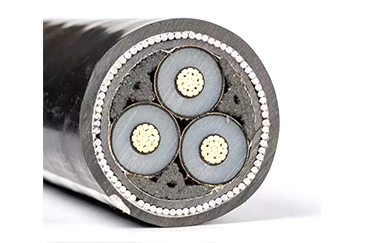
When discussing high-voltage power transmission, the 26/35kV single core aluminum power cable stands out as a vital component in modern electrical infrastructure. These cables are specifically designed to transport electrical energy efficiently over long distances while maintaining safety and reliability. **Specifications and Structure** The 26/35kV single core aluminum power cable is constructe
2026-10-11

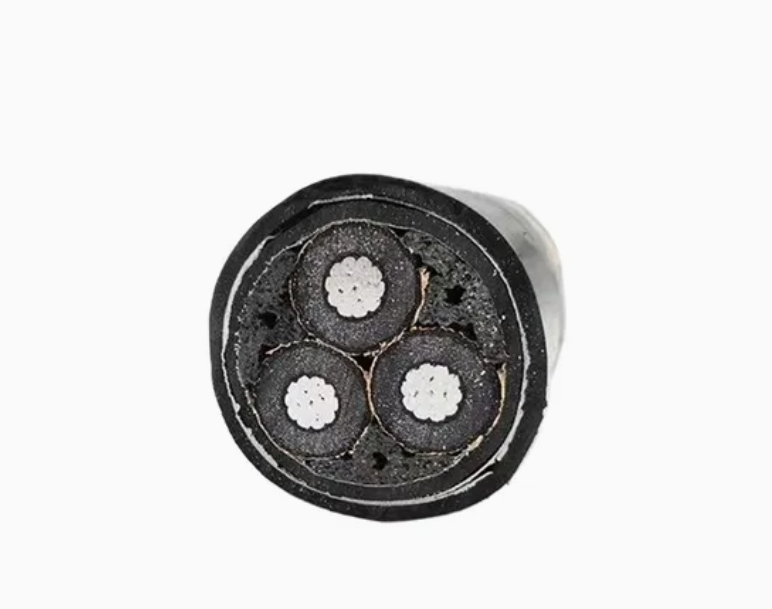
Key Features of 8.7/15kV Triple Core Aluminum Power Cables Explained
Key Features of 8.7/15kV Triple Core Aluminum Power Cables Explained In the realm of electrical engineering, choosing the right type of cable is crucial for ensuring efficient power transmission. One of the widely used cables in medium-voltage applications is the 8.7/15kV triple core aluminum power cable. This article delves into the key features of these cables, exploring their construction, adva
2026-10-04

Understanding 0.6/1kV Single Core Copper Conductor Power Cables
When it comes to electrical installations, choosing the right power cable is crucial for safety, efficiency, and longevity. One significant option in the market is the 0.6/1kV single core copper conductor power cable. This type of cable is designed to handle medium voltage applications, making it suitable for various industrial and commercial settings. The designation 0.6/1kV indicates that the ca
2026-09-27
0
Hunan Huatai Cable Co. LTD
Xiadopu Machinery Industrial Park, Ningxiang, Xiangjiang New District, Hunan Province

Follow us