

Products
Contact Information
whatsapp:+8617775888159
E-mail:htcable@huataiglobal.com
Address: Xiadopu Machinery Industrial Park, Ningxiang, Xiangjiang New District, Hunan Province
Power Cable :
Intrinsically safe computer cable

Application scope:
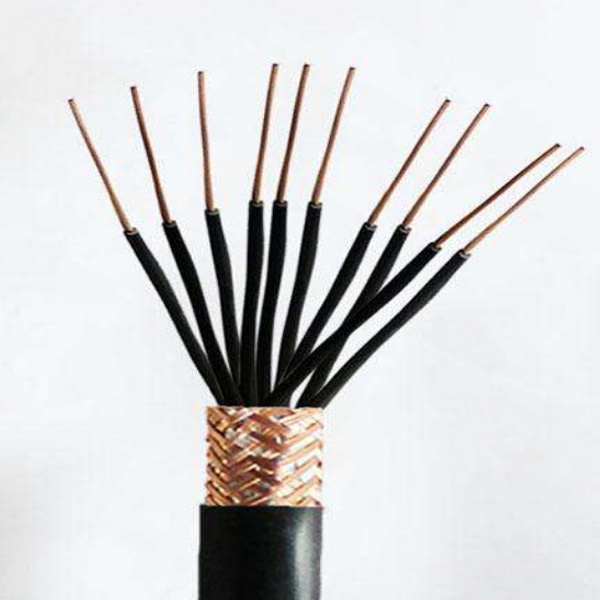
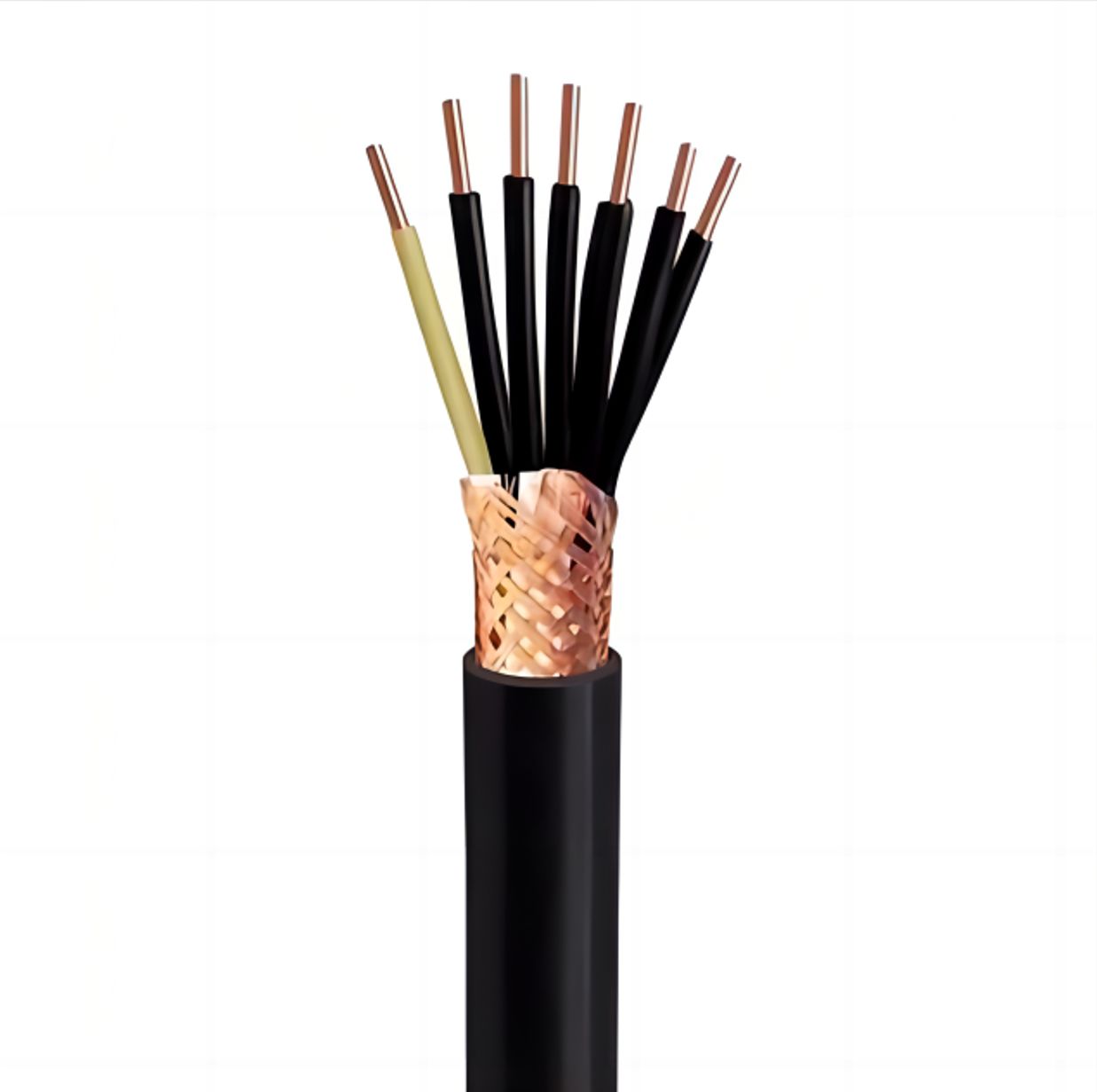
intrinsically safe computer cable, also known as intrinsically safe explosion-proof computer cable. This cable has low capacitance, low inductance, excellent shielding performance and anti-interference performance. Therefore, the explosion-proof safety performance is significantly higher than that of general DCS cable and computer control cable. This cable is suitable for petroleum, chemical, electric power, gas engineering, mining and other occasions with explosion hazards and other occasions with high explosion-proof safety requirements. It is used as a signal transmission cable in circuits such as distributed system and automatic detection and control system
Product executive standard: enterprise standard (equivalent to bs5308-86)
Product use characteristics
AC rated voltage ∪0/∪:300/500V
Maximum allowable long-term working temperature of cable conductor: 70 ℃ for polyethylene insulation; 90 ℃ for XLPE insulation; Halogen free low smoke flame retardant polyolefin insulation is 70 ℃; PVC insulation is 70 ℃
Minimum ambient temperature: fixed laying - 40 ℃; Non fixed laying - 15 ℃. Ambient temperature during installation and laying: no less than 0 ℃.
Allowable bending radius of cable: non armored, braided shielded cable shall not be less than 6 times of the outer diameter of the cable; Copper tape shielding and armored cable shall not be less than 12 times of the outer diameter of the cable
Basic model and name of product
|
Power wire is a fundamental component in electrical and electronic systems, serving as the primary medium for transmitting electrical energy from a power source to equipment, devices, and infrastructure. From residential buildings to heavy industrial facilities, power wires play a critical role in ensuring safe, stable, and efficient power delivery. As global demand for electricity continues to grow, the performance, durability, and safety standards of power wires have become increasingly important.
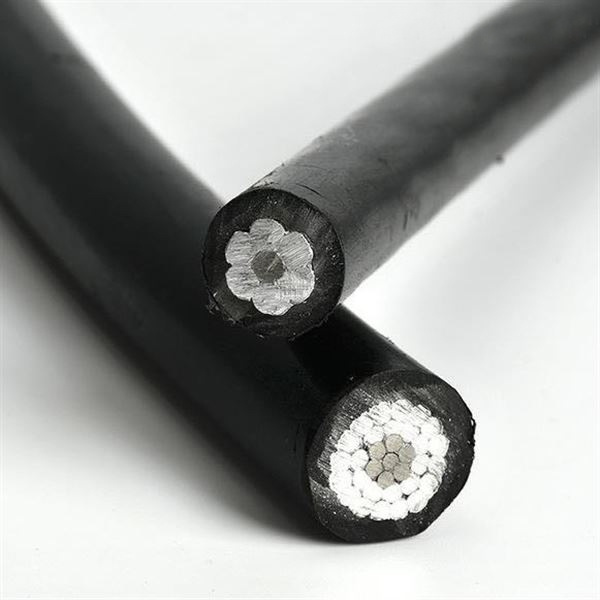
At its core, a power wire consists of a conductive core, insulation layer, and sometimes additional protective sheathing. Copper and aluminum are the most commonly used conductor materials due to their excellent electrical conductivity and mechanical properties. Copper power wires offer low resistance, high current-carrying capacity, and long service life, making them ideal for applications where reliability is essential. Aluminum power wires, on the other hand, provide a lightweight and cost-effective alternative, especially in long-distance transmission and large-scale power distribution systems.
Insulation is another key element that determines the safety and performance of power wires. Common insulation materials include PVC, XLPE (cross-linked polyethylene), rubber, and thermoplastic compounds. These materials are selected based on operating voltage, temperature range, environmental conditions, and regulatory requirements. High-quality insulation prevents electrical leakage, reduces the risk of short circuits, and protects users from electric shock. In harsh environments, power wires may also include flame-retardant, moisture-resistant, or UV-resistant insulation to enhance durability and safety.
Power wires are widely used across various application scenarios. In residential and commercial buildings, they are responsible for distributing electricity to lighting systems, appliances, HVAC equipment, and communication networks. In industrial settings, power wires support heavy machinery, production lines, motors, and control systems that require stable and continuous power supply. Infrastructure projects such as power plants, substations, railways, and renewable energy installations also rely on high-performance power wires to ensure efficient energy transmission over long distances.
With the rapid development of renewable energy and smart grid technologies, the requirements for power wires are evolving. Solar power systems, wind farms, and energy storage facilities demand wires with higher temperature resistance, better flexibility, and enhanced electrical performance. At the same time, smart grids require power wires that can support higher loads while maintaining low energy loss and high reliability. These trends are driving continuous innovation in conductor design, insulation materials, and manufacturing processes.
Quality control and compliance with international standards are essential in power wire production. Reputable manufacturers conduct rigorous testing on electrical conductivity, insulation resistance, tensile strength, and aging performance to ensure product reliability. Standards such as IEC, UL, and IEEE provide guidelines that help ensure power wires meet safety and performance requirements in different markets. Choosing certified power wires not only improves system reliability but also reduces maintenance costs and safety risks over the long term.
In conclusion, power wire is more than just a basic electrical component—it is the backbone of modern power transmission and distribution systems. As technology advances and energy demands increase, high-quality power wires will continue to play a vital role in supporting safe, efficient, and sustainable electrical infrastructure across residential, commercial, and industrial sectors.
Related Cases
0
Hunan Huatai Cable Co. LTD
Xiadopu Machinery Industrial Park, Ningxiang, Xiangjiang New District, Hunan Province
Follow us