


450/750V Electric Wires: The Ultimate Choice for Your DIY Electrical Projects
Time of Release:
2026-09-06
Source:
Author:
450/750V Electric Wires: The Ultimate Choice for Your DIY Electrical Projects
Table of Contents
- Understanding 450/750V Electric Wires
- Significance of Voltage Rating in DIY Projects
- Key Features of 450/750V Electric Wires
- Types of 450/750V Electric Wires
- Advantages of Using 450/750V Electric Wires for DIY
- Applications of 450/750V Electric Wires
- Installation Tips for 450/750V Electric Wires
- Safety Considerations When Working with Electric Wires
- FAQs About 450/750V Electric Wires
- Conclusion
Understanding 450/750V Electric Wires
450/750V electric wires are specifically designed for low-voltage electrical installations. These wires are capable of carrying a voltage of up to 750 volts, making them suitable for various applications in residential and commercial settings. Understanding their composition and characteristics is crucial for making informed choices in DIY electrical projects.
These wires typically consist of copper or aluminum conductors, surrounded by insulating materials that protect against electrical hazards and environmental factors. The insulation is often made from durable materials like PVC (Polyvinyl Chloride) or XLPE (Cross-Linked Polyethylene), which provides excellent thermal stability and resistance to moisture and chemicals.
Significance of Voltage Rating in DIY Projects
When embarking on DIY electrical projects, understanding voltage ratings is essential. The **450/750V rating** indicates the maximum voltage the wires can safely handle, which is critical for ensuring safety and efficiency. Using wires with the appropriate voltage rating ensures that they can handle the electrical load without overheating or causing insulation breakdown.
Choosing the right voltage rating also helps in preventing electrical fires. Insufficiently rated wires may result in excessive heat generation, leading to insulation failure and potential fire hazards. Thus, selecting 450/750V electric wires guarantees that your DIY projects will be both safe and reliable.
Key Features of 450/750V Electric Wires
Understanding the key features of 450/750V electric wires can aid in choosing the right product for your specific needs. Here are some notable features:
1. **Durability and Longevity**
These wires are designed to withstand environmental stressors such as moisture, UV radiation, and temperature fluctuations, ensuring they last longer.
2. **Flexibility and Ease of Installation**
Due to their flexibility, 450/750V wires are easy to install in tight spaces, making them ideal for various DIY projects.
3. **High Conductivity**
Copper conductors offer excellent conductivity, ensuring efficient power transmission with minimal energy loss.
4. **Versatile Applications**
These wires are suitable for a wide range of applications, including home wiring, appliances, and outdoor installations.
Types of 450/750V Electric Wires
There are various types of 450/750V electric wires, each designed for specific uses. Here’s a closer look at the most common types:
1. **Single-Core Wires**
These consist of one conductor and are typically used for straightforward applications, such as connecting appliances to power sources.
2. **Multi-Core Wires**
These contain multiple conductors and are ideal for complex wiring setups. They provide flexibility for connecting multiple devices.
3. **Armored Wires**
Armored versions are protected with a layer of steel or aluminum, making them suitable for outdoor or industrial applications where extra protection is needed.
4. **Flexible Wires**
These are specially designed for applications requiring movement or bending, such as in portable equipment.
Advantages of Using 450/750V Electric Wires for DIY
Choosing 450/750V electric wires for your DIY projects comes with numerous advantages that enhance both performance and safety:
1. **Cost-Effective Solution**
These wires are generally affordable, making them a cost-effective option for DIY enthusiasts on a budget.
2. **Enhanced Safety Features**
With proper insulation and voltage rating, 450/750V wires offer enhanced safety, reducing the risk of electrical hazards.
3. **Energy Efficiency**
High conductivity allows for efficient energy transmission, which can lead to lower energy bills over time.
4. **Widely Available**
These wires are commonly found in hardware stores and online, making them easily accessible for your projects.
Applications of 450/750V Electric Wires
450/750V electric wires are versatile and can be utilized in a variety of applications, including:
1. **Residential Wiring**
Ideal for home electrical wiring, including lighting systems and power outlets.
2. **Industrial Equipment**
Used for connecting machinery and other industrial applications where reliable power supply is essential.
3. **Outdoor Installations**
Perfect for outdoor lighting and garden equipment that require durable wiring solutions.
4. **DIY Projects**
Suited for various DIY projects, from home renovations to crafting custom electrical solutions.
Installation Tips for 450/750V Electric Wires
Proper installation is crucial for the performance and safety of 450/750V electric wires. Here are some essential tips to keep in mind:
1. **Plan Your Wiring Layout**
Before installation, create a detailed plan that outlines the wiring layout, including the placement of outlets and switches.
2. **Use the Right Tools**
Ensure you have the right tools, such as wire strippers, cutters, and crimpers, to facilitate a smooth installation process.
3. **Follow Local Electrical Codes**
Familiarize yourself with local electrical codes and regulations to ensure compliance and safety.
4. **Test Connections**
After installation, thoroughly test all connections with a multimeter to confirm they are secure and functioning correctly.
Safety Considerations When Working with Electric Wires
Safety should always be a top priority when working with electric wires. Here are crucial safety considerations:
1. **Turn Off Power Supply**
Always turn off the main power supply before beginning any electrical work to prevent electrical shock.
2. **Use Personal Protective Equipment (PPE)**
Wearing safety glasses, gloves, and insulated tools can protect you from potential hazards.
3. **Avoid Overloading Circuits**
Ensure that the total load on the circuit does not exceed the wire’s capacity to prevent overheating and potential fires.
4. **Seek Professional Help if Unsure**
If you feel uncertain about any aspect of your electrical project, it’s best to consult a professional electrician.
FAQs About 450/750V Electric Wires
1. **What is the difference between 450V and 750V wires?**
The primary difference lies in the maximum voltage each wire can handle. 750V wires can manage higher voltage levels, making them suitable for more demanding applications.
2. **Can I use 450/750V wires for indoor installations?**
Yes, 450/750V wires are suitable for indoor installations, as long as they meet the specific requirements of the project.
3. **Are 450/750V wires safe for outdoor use?**
Yes, as long as they are appropriately rated for outdoor conditions. Choosing armored or high-quality insulated wires is advisable for outdoor applications.
4. **What tools do I need for installation?**
Essential tools include wire strippers, cutters, crimpers, and a multimeter for testing connections.
5. **How do I determine the right wire size for my project?**
The right wire size is determined by the load requirements of the circuit, the length of the wire run, and local electrical codes.
Conclusion
In summary, **450/750V electric wires** stand out as a smart choice for both novice and experienced DIY enthusiasts. Their combination of durability, safety, and versatility makes them ideal for a wide range of applications. By understanding their features, types, and safety considerations, you can confidently utilize these wires in your electrical projects. Remember to prioritize safety and adhere to regulations to ensure successful and secure installations. With the right knowledge and tools, your DIY electrical projects can be both efficient and effective, setting you up for success.
Related information

What You Need to Know About 450/750V Electric Wires for Home Renovations
What You Need to Know About 450/750V Electric Wires for Home Renovations Introduction to 450/750V Electric Wires In modern home renovations, understanding the electrical components is crucial for ensuring safety and effectiveness. One of the most common types of wiring used in residential projects is the **450/750V electric wire**. These wires are designed to handle medium voltage applications, ma
2026-10-18

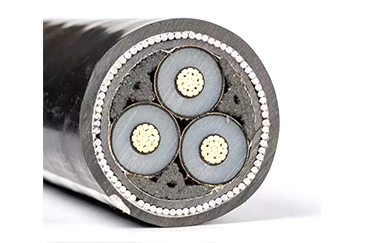
When discussing high-voltage power transmission, the 26/35kV single core aluminum power cable stands out as a vital component in modern electrical infrastructure. These cables are specifically designed to transport electrical energy efficiently over long distances while maintaining safety and reliability. **Specifications and Structure** The 26/35kV single core aluminum power cable is constructe
2026-10-11
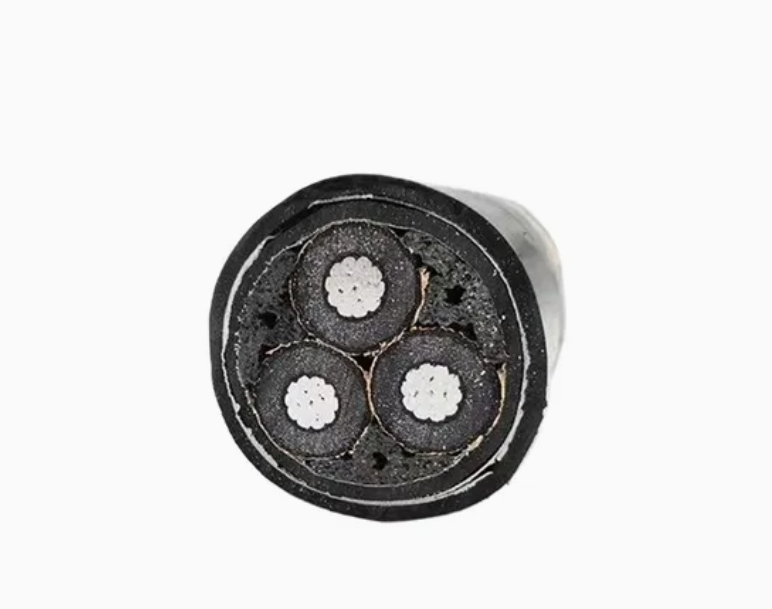
Key Features of 8.7/15kV Triple Core Aluminum Power Cables Explained
Key Features of 8.7/15kV Triple Core Aluminum Power Cables Explained In the realm of electrical engineering, choosing the right type of cable is crucial for ensuring efficient power transmission. One of the widely used cables in medium-voltage applications is the 8.7/15kV triple core aluminum power cable. This article delves into the key features of these cables, exploring their construction, adva
2026-10-04
0
Hunan Huatai Cable Co. LTD
Xiadopu Machinery Industrial Park, Ningxiang, Xiangjiang New District, Hunan Province

Follow us