


How to Safely Handle 300/500V Electric Wires During Installation
Time of Release:
2026-06-04
Source:
Author:
How to Safely Handle 300/500V Electric Wires During Installation
Table of Contents
- Understanding 300/500V Electric Wires
- The Importance of Safety in Electric Wire Installation
- Personal Protective Equipment (PPE)
- Pre-Installation Safety Checks
- Proper Installation Techniques for Electric Wires
- Handling and Storage of Electric Wires
- Troubleshooting Common Installation Issues
- Frequently Asked Questions
Understanding 300/500V Electric Wires
300/500V electric wires are crucial components in various electrical systems, commonly used in residential and commercial installations. These wires are designed to operate at a voltage level of up to 500 volts, making them suitable for a wide range of applications, including power distribution, lighting, and machinery. Typically manufactured with an insulation material that can withstand high temperatures and resist environmental factors, understanding their specifications is essential for safe handling.
The Importance of Safety in Electric Wire Installation
Ensuring safety during the installation of electric wires is of utmost importance. **Electrical hazards** can lead to severe injuries or fatalities, making it vital to adopt safe practices. Improper handling can also result in electrical faults, short circuits, and property damage. Compliance with safety regulations and standards not only protects the installer but also ensures the long-term reliability of the electrical system.
Personal Protective Equipment (PPE)
Before engaging in any installation activities, it’s essential to equip yourself with appropriate **Personal Protective Equipment (PPE)**. This includes:
- **Insulated gloves**: To prevent electric shocks
- **Safety goggles**: To protect your eyes from flying debris
- **Hard hats**: For protection against falling objects
- **Steel-toed boots**: To shield your feet from heavy equipment
- **Flame-resistant clothing**: To reduce the risk of burns
Each piece of PPE plays a critical role in ensuring your safety during wire installation, especially when working with high-voltage systems.
Pre-Installation Safety Checks
Conducting thorough pre-installation safety checks is a vital step. Here are some key areas to focus on:
- **Inspect tools and equipment**: Ensure that all tools are in good working condition and free from defects.
- **Check the installation site**: Look for any potential hazards such as wet surfaces, exposed wires, or structural issues.
- **Verify circuit de-energization**: Always ensure that the circuit is de-energized before starting installation. Use a **voltage tester** to confirm this.
- **Review the installation plan**: Familiarize yourself with the electrical plans and specifications to avoid mistakes.
Performing these checks helps mitigate risks and prepares you for a safe installation process.
Proper Installation Techniques for Electric Wires
Employing correct installation techniques is essential for safety and functionality. Here are several practices to adhere to:
Stripping Insulation
When stripping the insulation from electric wires, use a wire stripper that matches the wire gauge. This prevents damaging the wire strands while ensuring that the exposed area is sufficient for connections. Always strip the wire in a controlled manner to avoid any accidental injuries.
Making Connections
Ensure that connections are made with compatible connectors and follow the manufacturer’s instructions meticulously. Utilize **twist-on wire connectors** or **screw terminals** for secure connections that minimize the risk of arcing or overheating.
Securing Wires
Once installed, secure the wires properly. Use **cable ties** or **conduit** to organize and protect the wires from damage and physical stress. This organization also helps in maintaining a clean installation environment.
Testing the Installation
After completing the installation, conduct thorough testing to ensure all connections are secure and functioning correctly. Utilize a **multimeter** to test for continuity and voltage levels. This step helps in identifying any potential issues before powering up the system.
Handling and Storage of Electric Wires
Proper handling and storage of electric wires are essential for safety and longevity. Consider the following guidelines:
Handling Wires
Always handle electric wires with care. Avoid dragging or pulling wires across rough surfaces, as this can lead to insulation damage. When moving wires, carry them gently to prevent kinks or bends that can compromise their integrity.
Storing Wires
Store electric wires in a dry, cool environment away from direct sunlight and extreme temperatures. Use **wire reels** or **cable organizers** to prevent tangling and damage during storage. Label stored wires to easily identify their specifications and intended use.
Troubleshooting Common Installation Issues
Even with proper preparation, issues can arise during installation. Here are some common problems and their solutions:
Wire Overheating
If wires are overheating, check for loose connections, improper wire gauge, or excessive load on the circuit. Addressing these issues promptly is critical to preventing potential fire hazards.
Frequent Circuit Breaker Trips
Constantly tripping circuit breakers can indicate overloaded circuits or short circuits. Inspect all connections and ensure that the load is distributed correctly across the circuits.
Voltage Drops
Significant voltage drops can occur due to resistance along the wire. Ensure that the wire gauge is appropriate for the distance and load, or consider using a larger gauge wire to minimize resistance.
Frequently Asked Questions
1. What is the maximum voltage for 300/500V electric wires?
The maximum voltage for 300/500V electric wires is 500 volts, making them suitable for various applications in both residential and commercial settings.
2. Can I use these wires for outdoor installations?
Yes, 300/500V electric wires can be used for outdoor installations if they are rated for such use and properly protected from environmental elements.
3. What types of connectors should I use with 300/500V wires?
Use connectors that are specifically designed for 300/500V applications, ensuring they match the wire gauge and type for secure connections.
4. Are there specific codes and regulations I need to follow?
Yes, it is essential to comply with local electrical codes and regulations. These guidelines ensure safe installation practices and adherence to industry standards.
5. How often should I inspect my electrical installations?
It is advisable to conduct inspections at least once a year or after any significant modifications to ensure the safety and reliability of your electrical system.
Conclusion
Handling 300/500V electric wires during installation requires a commitment to safety and adherence to best practices. By understanding the characteristics of these wires, utilizing personal protective equipment, conducting safety checks, and employing proper installation techniques, electrical professionals and DIY enthusiasts can minimize risks and ensure successful outcomes. Always remember to stay informed about the latest standards and regulations in the electrical industry to protect both yourself and the integrity of your installations.
previous page:
Related information
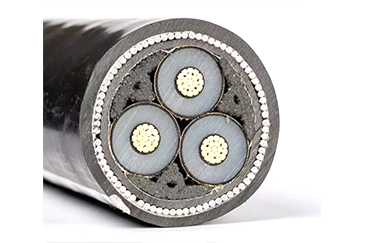
When discussing high-voltage power transmission, the 26/35kV single core aluminum power cable stands out as a vital component in modern electrical infrastructure. These cables are specifically designed to transport electrical energy efficiently over long distances while maintaining safety and reliability. **Specifications and Structure** The 26/35kV single core aluminum power cable is constructe
2026-10-11

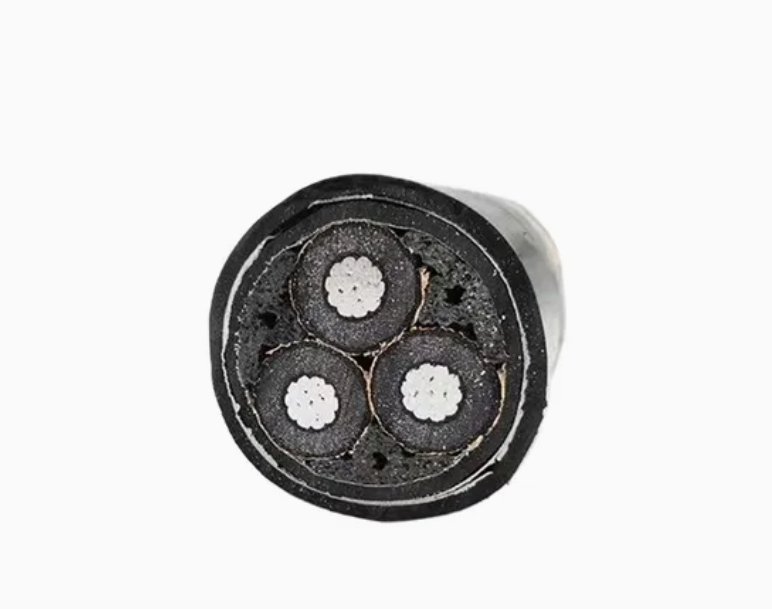
Key Features of 8.7/15kV Triple Core Aluminum Power Cables Explained
Key Features of 8.7/15kV Triple Core Aluminum Power Cables Explained In the realm of electrical engineering, choosing the right type of cable is crucial for ensuring efficient power transmission. One of the widely used cables in medium-voltage applications is the 8.7/15kV triple core aluminum power cable. This article delves into the key features of these cables, exploring their construction, adva
2026-10-04

Understanding 0.6/1kV Single Core Copper Conductor Power Cables
When it comes to electrical installations, choosing the right power cable is crucial for safety, efficiency, and longevity. One significant option in the market is the 0.6/1kV single core copper conductor power cable. This type of cable is designed to handle medium voltage applications, making it suitable for various industrial and commercial settings. The designation 0.6/1kV indicates that the ca
2026-09-27
0
Hunan Huatai Cable Co. LTD
Xiadopu Machinery Industrial Park, Ningxiang, Xiangjiang New District, Hunan Province

Follow us