


Understanding 450/750V House Use Electric Wires: Essential Insights for Homeowners
Time of Release:
2026-06-01
Source:
Author:
450/750V house use electric wires are designed to operate efficiently in various domestic environments. These wires are commonly used for lighting, power outlets, and appliances, providing a reliable solution for your home's electrical system. The versatility of these wires means they can be utilized in both fixed installations and flexible applications, catering to your specific wiring needs.
One of the key benefits of using 450/750V electric wires is their insulation quality. They are typically made with high-grade materials that offer excellent resistance to heat, moisture, and mechanical stresses. This makes them suitable for installation in different areas of your home, including attics, basements, and even outdoor settings when appropriately rated. The durability of these wires ensures that they remain functional over time, reducing the likelihood of electrical failures.
When selecting 450/750V wires for your home, consider the wire gauge, which determines the amount of current the wire can safely carry. Thicker wires (lower gauge numbers) are better suited for high-power applications, while thinner wires (higher gauge numbers) may be suitable for lower power uses. It's important to match the wire gauge with the electrical load requirements of your appliances to ensure safety and compliance with electrical codes.
Additionally, ensure that the installation of the wiring adheres to local electrical codes and regulations. This not only ensures safety but also maintains the integrity of your home's electrical system. Hiring a qualified electrician for installation can provide peace of mind, ensuring that all connections are secure and compliant with safety standards.
In summary, 450/750V house use electric wires are a vital component of any home electrical system. Their robust design and versatility make them an excellent choice for various applications, from general lighting to powering household appliances. By understanding the specifications and appropriate installation practices for these wires, homeowners can enhance the safety and efficiency of their electrical systems. Always consult with a professional to ensure your wiring meets all safety standards and regulations.
Related information

Understanding 450/750V House Use Electric Wires: Essential Insights for Homeowners
When it comes to electrical wiring in your home, understanding the specifications and uses of different types of wires is crucial. One such specification is the 450/750V rating, which indicates the maximum voltage these wires can handle safely. This voltage rating is particularly relevant for residential applications, making it a common choice for household wiring. 450/750V house use electric wire
2026-06-01

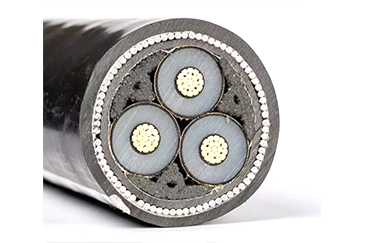
Choosing Between Different Sizes of 26/35kV Single Core Aluminum Cables: A Comprehensive Guide
Choosing Between Different Sizes of 26/35kV Single Core Aluminum Cables Introduction to 26/35kV Single Core Aluminum Cables In the ever-evolving electrical industry, selecting the right components is crucial. **26/35kV single core aluminum cables** are widely used in power transmission and distribution networks. Understanding how to choose the appropriate size for your specific application can s
2026-05-29

Reliable 300/500V Control Cable for Industrial Automation and Electrical Control Systems
300/500V control cable designed for industrial automation, power distribution, and signal transmission with stable performance.
2026-05-29
0
Hunan Huatai Cable Co. LTD
Xiadopu Machinery Industrial Park, Ningxiang, Xiangjiang New District, Hunan Province

Follow us