


Understanding 450/750V House Use Electric Wires: Essential Insights for Professionals
Time of Release:
2026-04-08
Source:
Author:
The 450/750V designation refers to the maximum voltage rating of the wires, which indicates their capability to safely carry electrical current without risk of insulation breakdown or overheating. These wires are typically constructed with copper or aluminum conductors, insulated with materials such as PVC or XLPE, which provide excellent resistance to various environmental factors including moisture, chemicals, and abrasion. This makes them particularly suitable for indoor and outdoor applications.
In residential wiring, 450/750V wires are commonly used for electrical installations in lighting, power distribution, and appliance connections. They are often employed in fixed installations, including power circuits for domestic appliances, heating systems, and lighting fixtures. Due to their voltage rating, these wires can handle a wide range of household electrical requirements, ensuring that they meet safety and efficiency standards.
When selecting 450/750V house use electric wires, it is essential to consider the wire gauge, which affects the current-carrying capacity. Thicker wires generally have lower resistance, allowing for higher current flow without excessive heat generation. Additionally, the installation environment should be considered; for example, wires used in damp or outdoor conditions must have appropriate insulation to prevent degradation over time.
Installation practices play a critical role in the performance and safety of 450/750V house use electric wires. Professionals should adhere to local electrical codes and standards, ensuring that all connections are secure and that wires are protected from physical damage. Proper routing, secure fastening, and appropriate use of conduits can significantly enhance the longevity and reliability of the electrical system.
In conclusion, 450/750V house use electric wires are an essential element in residential electrical systems. Their ability to safely carry current at higher voltages makes them versatile for various applications. By understanding their specifications, applications, and installation best practices, electrical professionals can ensure safe and efficient electrical installations that meet the needs of homeowners. Always prioritize safety and compliance with regulations when working with these vital components.
Related information

Understanding 450/750V House Use Electric Wires: Essential Insights for Professionals
When it comes to residential wiring, 450/750V house use electric wires are a fundamental component of electrical systems. These wires are designed to operate under voltages not exceeding 750 volts, making them suitable for a variety of applications in residential settings. Understanding their specifications, applications, and installation practices is crucial for professionals in the electrical an
2026-04-08

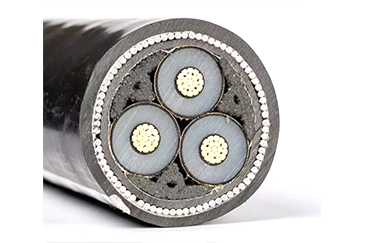
Expert Insights on 26/35kV Single Core Aluminum Power Cable Usage: A Comprehensive Guide
Expert Insights on 26/35kV Single Core Aluminum Power Cable Usage The evolution of electrical infrastructure has led to significant advancements in the materials and technologies used in power cable manufacturing. Among these innovations, the 26/35kV single core aluminum power cable stands out for its efficiency and reliability. In this detailed guide, we will explore the usage, benefits, installa
2026-04-05
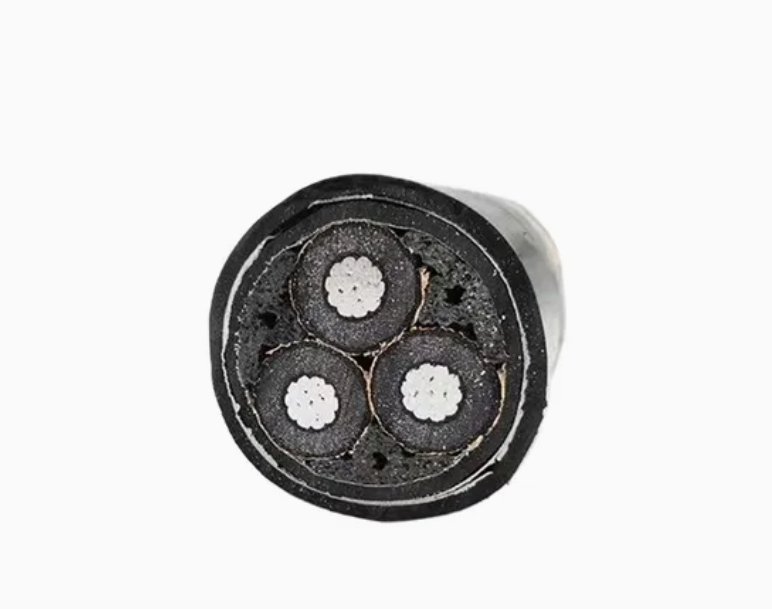
Understanding 8.7/15kV Triple Core Aluminum Power Cables: Key Insights for Your Electrical Projects
When it comes to power transmission in industrial and commercial settings, the choice of cable is paramount. The 8.7/15kV triple core aluminum power cable is a leading option for a variety of applications that require reliable electrical performance. This type of cable is designed to operate at a voltage rating of 8.7/15kV, making it suitable for medium voltage applications. One of the primary ben
2026-04-02
0
Hunan Huatai Cable Co. LTD
Xiadopu Machinery Industrial Park, Ningxiang, Xiangjiang New District, Hunan Province

Follow us