


How to Optimize Your Use of 26/35kV Single Core Aluminum Power Cables for Maximum Efficiency
Time of Release:
2026-03-18
Source:
Author:
How to Optimize Your Use of 26/35kV Single Core Aluminum Power Cables for Maximum Efficiency
Table of Contents
- 1. Introduction to 26/35kV Single Core Aluminum Power Cables
- 2. Understanding the Structure of 26/35kV Single Core Aluminum Power Cables
- 3. Installation Best Practices for Optimal Performance
- 4. Maintenance and Monitoring Strategies
- 5. Troubleshooting Common Issues with Power Cables
- 6. Advancements in 26/35kV Cable Technology
- 7. Environmental Considerations and Cable Usage
- 8. Conclusion
1. Introduction to 26/35kV Single Core Aluminum Power Cables
The **26/35kV single core aluminum power cable** is a pivotal component in modern electrical systems. These cables are designed to transmit high-voltage electricity efficiently and reliably. Their design allows them to handle significant loads while minimizing energy loss, making them ideal for a variety of applications, including industrial and commercial environments. This article will explore how to **optimize the use of these cables**, ensuring maximum efficiency and longevity in your installations.
2. Understanding the Structure of 26/35kV Single Core Aluminum Power Cables
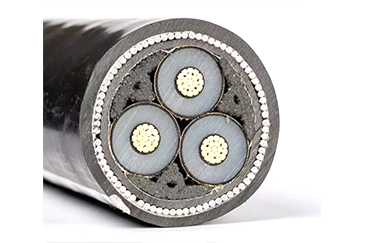
To optimize the performance of **26/35kV power cables**, it is essential to understand their structure. These cables typically consist of several key components:
Conductors
The conductor in these cables is made of aluminum, which is favored for its lightweight and conductivity. The aluminum strands are designed to reduce resistance and minimize energy loss during transmission.
Insulation
Insulation materials, usually cross-linked polyethylene (XLPE), are critical for preventing electrical leakage and protecting against environmental factors. **Choosing the right type of insulation** is crucial for performance, especially in harsh environments.
Armoring
For enhanced protection against physical damage, these cables often include an armoring layer made of steel wire. This layer is vital for installations in areas prone to mechanical impacts.
Sheathing
The outer sheath protects the cable from chemical exposure and moisture. Selecting a high-quality sheath material can greatly enhance the cable’s lifespan.
3. Installation Best Practices for Optimal Performance
Proper installation is critical for ensuring that your **26/35kV single core aluminum power cables** operate at peak efficiency.
Site Preparation
Before installation, conduct a thorough site survey to identify potential hazards. Ensure that the pathway for cable laying is clear of obstacles.
Cable Laying Techniques
When laying the cable, avoid sharp bends and excessive tension. Use proper cable rollers and guides to maintain the integrity of the cable.
Termination and Connections
Secure and reliable terminations are essential. Use high-quality connectors and follow manufacturer guidelines to ensure effective connections that minimize resistance.
4. Maintenance and Monitoring Strategies
Regular maintenance and monitoring play a pivotal role in extending the life of **26/35kV power cables**.
Regular Inspections
Schedule periodic inspections to check for signs of wear and tear, including insulation damage or corrosion. Early detection can prevent larger issues down the line.
Monitoring Systems
Implement monitoring systems to track temperature and electrical load over time. These systems can alert you to any anomalies that may indicate potential problems.
5. Troubleshooting Common Issues with Power Cables
Despite best practices, issues can arise. Understanding common problems and their solutions is crucial.
Overheating
Overheating can occur due to excessive load or poor connections. Monitor the cable's temperature and ensure all connections are secure.
Electrical Leakage
If you notice a drop in power efficiency, check for insulation failure. This requires immediate attention to prevent electrical hazards.
Physical Damage
Inspect cables regularly for physical damage, especially in exposed areas. If damage is found, consider replacing the affected segment immediately.
6. Advancements in 26/35kV Cable Technology
The electrical industry continues to innovate, and several advancements have emerged regarding **26/35kV single core aluminum power cables**.
Improved Insulation Materials
Recent developments in insulation materials have led to enhanced thermal resistance and durability. These materials can withstand higher temperatures and environmental stress.
Enhanced Conductive Features
New conductor designs incorporate improved conductive materials and technologies, allowing for greater efficiency and reduced energy loss during transmission.
Smart Cable Technologies
Integrating smart technologies into power cables allows for real-time monitoring of cable status, enabling predictive maintenance and immediate responses to potential issues.
7. Environmental Considerations and Cable Usage
When using **26/35kV single core aluminum power cables**, it is essential to consider their environmental impact.
Recycling and Disposal
Aluminum is one of the most recyclable materials. Ensure proper recycling methods are employed when disposing of old cables to minimize environmental harm.
Environmental Impact Assessments
Conduct environmental assessments before installation to determine the potential impact on local ecosystems. This proactive approach can help mitigate negative effects.
8. Conclusion
Optimizing the use of **26/35kV single core aluminum power cables** involves understanding their structure, adhering to best installation practices, and implementing robust maintenance strategies. By staying informed about technological advancements and environmental considerations, we can ensure the efficient operation of our electrical systems. Taking these steps not only enhances performance but also contributes to sustainability in the electrical industry.
FAQs
1. What are the key benefits of using 26/35kV single core aluminum power cables?
The primary benefits include lightweight construction, excellent conductivity, and reduced energy loss, making them ideal for high-voltage applications.
2. How can I ensure the longevity of my power cables?
Regular inspections, proper installation techniques, and using high-quality materials can significantly extend the lifespan of your cables.
3. What should I do if I suspect damage to my power cable?
Immediately inspect for visible damage, and if necessary, consult a professional for repairs or replacements.
4. Are there any environmental regulations for disposing of old cables?
Yes, it is essential to follow local regulations regarding the recycling and disposal of electrical cables to minimize environmental impact.
5. How can smart technology improve cable management?
Smart technology allows for real-time monitoring of cable health, which aids in predictive maintenance and enhances overall system reliability.
By following the outlined strategies and recommendations, we can ensure that the use of **26/35kV single core aluminum power cables** is optimized for maximum efficiency and sustainability.
Related information
How to Optimize Your Use of 26/35kV Single Core Aluminum Power Cables for Maximum Efficiency
How to Optimize Your Use of 26/35kV Single Core Aluminum Power Cables for Maximum Efficiency Table of Contents 1. Introduction to 26/35kV Single Core Aluminum Power Cables 2. Understanding the Structure of 26/35kV Single Core Aluminum Power Cables 3. Installation Best Practices for Optimal Performance 4. Maintenance and Monitoring Strategies 5. Troubleshooting Common Issues wi
2026-03-18

The Importance of 8.7/15kV Triple Core Aluminum Power Cables in Electrical Engineering
--- In the realm of electrical engineering, the choice of power cables plays a pivotal role in ensuring efficient and safe energy transmission. One prominent type of cable is the 8.7/15kV triple core aluminum power cable. This cable is specifically designed for medium voltage applications, making it an essential component in various industrial and commercial settings. The designation "8.7/15kV" re
2026-03-15

The Critical Role of Voltage Rating in 0.6/1kV Single Core Copper Cables
The Critical Role of Voltage Rating in 0.6/1kV Single Core Copper Cables Table of Contents 1. Introduction to Voltage Ratings in Electrical Cables 2. Understanding 0.6/1kV Single Core Copper Cables 3. The Significance of Voltage Ratings in Cable Performance 3.1 Safety Implications 3.2 Efficiency and Longevity 4. Key Factors Influencing Voltage Ratings 4.1 Material Composition 4.2 Environmental Con
2026-03-12
0
Hunan Huatai Cable Co. LTD
Xiadopu Machinery Industrial Park, Ningxiang, Xiangjiang New District, Hunan Province

Follow us