


Understanding 8.7/15kV Triple Core Aluminum Power Cables: Key Features and Applications
Time of Release:
2026-02-07
Source:
Author:
One of the primary advantages of the 8.7/15kV triple core aluminum power cable is its construction. The cable consists of three insulated conductors, which are housed together within a common sheath. This design not only simplifies installation but also minimizes the physical space required for cable routing. The aluminum conductors are lightweight yet robust, making them easier to handle compared to their copper counterparts, while still providing excellent conductivity.
The insulation used in the 8.7/15kV cable is typically made from cross-linked polyethylene (XLPE), which offers superior thermal resistance and electrical performance. XLPE insulation can withstand higher temperatures and provides excellent protection against electrical stress, making it suitable for both indoor and outdoor applications. Additionally, the cable's outer sheath is designed to be resistant to moisture, chemicals, and various environmental factors, ensuring long-term reliability even in harsh conditions.
The 8.7/15kV rating indicates that the cable is designed to operate effectively at voltages up to 15kV, making it ideal for medium voltage applications. This versatility allows it to be used in a variety of settings, from power generation facilities to commercial buildings and industrial plants. When selecting this type of cable, it is crucial to consider the specific requirements of the installation, including ambient temperature, mechanical stresses, and environmental conditions.
Furthermore, the triple core design of the cable enhances its operational efficiency by reducing electromagnetic interference and ensuring balanced load distribution. This characteristic is particularly important in power distribution networks, where maintaining system stability is critical. By using an 8.7/15kV triple core aluminum power cable, engineers can help optimize performance and minimize the risk of power outages.
In conclusion, the 8.7/15kV triple core aluminum power cable is an essential component in modern electrical systems, offering a combination of durability, efficiency, and practicality for various applications. By understanding its features, professionals in the electrical engineering sector can make better choices that enhance the performance and reliability of their power distribution networks.
Related information
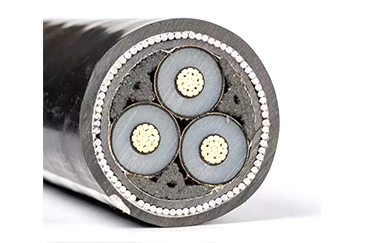
When discussing high-voltage power transmission, the 26/35kV single core aluminum power cable stands out as a vital component in modern electrical infrastructure. These cables are specifically designed to transport electrical energy efficiently over long distances while maintaining safety and reliability. **Specifications and Structure** The 26/35kV single core aluminum power cable is constructe
2026-10-11

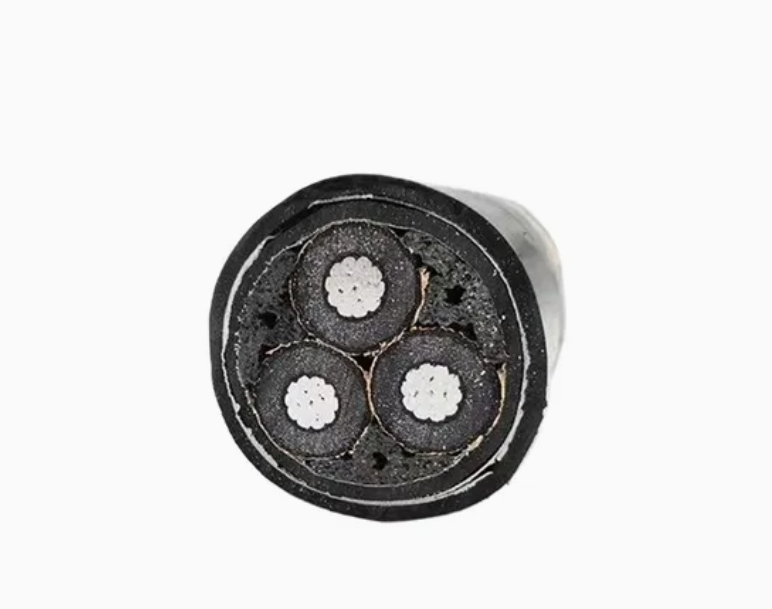
Key Features of 8.7/15kV Triple Core Aluminum Power Cables Explained
Key Features of 8.7/15kV Triple Core Aluminum Power Cables Explained In the realm of electrical engineering, choosing the right type of cable is crucial for ensuring efficient power transmission. One of the widely used cables in medium-voltage applications is the 8.7/15kV triple core aluminum power cable. This article delves into the key features of these cables, exploring their construction, adva
2026-10-04

Understanding 0.6/1kV Single Core Copper Conductor Power Cables
When it comes to electrical installations, choosing the right power cable is crucial for safety, efficiency, and longevity. One significant option in the market is the 0.6/1kV single core copper conductor power cable. This type of cable is designed to handle medium voltage applications, making it suitable for various industrial and commercial settings. The designation 0.6/1kV indicates that the ca
2026-09-27
0
Hunan Huatai Cable Co. LTD
Xiadopu Machinery Industrial Park, Ningxiang, Xiangjiang New District, Hunan Province

Follow us