


Understanding 450/750V House Use Electric Wires: Essential Knowledge for Professionals
Time of Release:
2026-01-26
Source:
Author:
The designation "450/750V" refers to the maximum voltage that these wires can safely carry. This voltage range is often used for low-voltage electrical systems, which are prevalent in household applications. Such wires are primarily used in domestic wiring for lighting, socket outlets, and small appliances, providing a safe and efficient way to distribute electricity throughout a home.
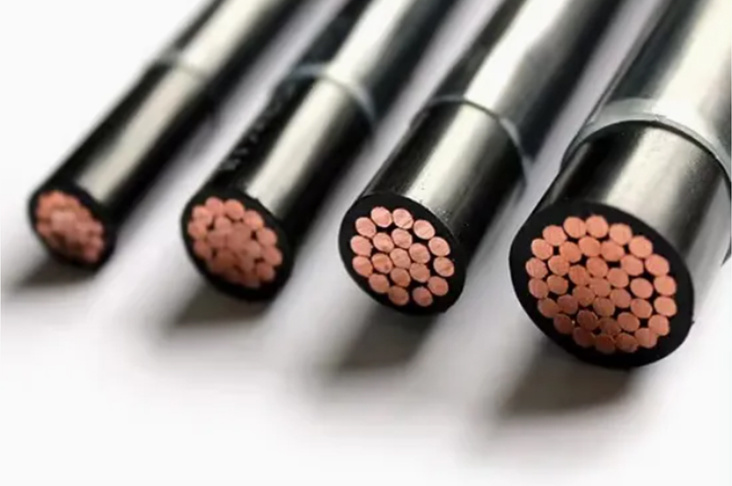
One of the most common types of 450/750V house use electric wires is the PVC insulated wire. This type of wire is favored for its durability and resistance to environmental factors. The insulation provided by PVC (Polyvinyl Chloride) not only protects the conductive material but also enhances safety by minimizing the risk of electrical shocks and short circuits.
In addition to PVC insulated wires, other materials like XLPE (Cross-Linked Polyethylene) can also be found in the 450/750V category. XLPE wires offer superior temperature resistance and mechanical strength, making them ideal for applications where enhanced performance is needed.
When selecting 450/750V house use electric wires, professionals should also consider factors such as the wire gauge, which is crucial for ensuring the wire can handle the expected electrical load. A thicker wire gauge allows for greater current flow, reducing the risk of overheating and potential fire hazards. It is vital to follow local electrical codes and regulations to ensure compliance and safety.
Furthermore, professionals should be aware of the importance of proper installation techniques. Poorly installed wiring can lead to issues such as voltage drops, inefficiencies, and even hazardous conditions. Thus, it is imperative to adhere to best practices and standards during the installation process.
In terms of safety, regular inspections of the wiring system are recommended to identify any wear and tear that may compromise the integrity of the electrical system. Ensuring that the 450/750V house use electric wires remain in good condition is crucial for maintaining a safe home environment.
In conclusion, 450/750V house use electric wires play a vital role in residential electrical systems. Understanding their specifications, types, and installation requirements is essential for professionals in the electrical industry. By staying informed and adhering to safety standards, electricians can ensure that they provide safe and reliable electrical solutions for homes.
previous page:
Related information
Essential Installation Tips for 0.6/1kV Single Core Copper Conductor Power Cables
Essential Installation Tips for 0.6/1kV Single Core Copper Conductor Power Cables Table of Contents Introduction to 0.6/1kV Single Core Copper Conductors Understanding Power Cable Specifications Voltage Ratings Explained Copper vs. Aluminum Conductors Pre-Installation Requirements Essential Tools and
2026-02-04


Understanding 8.7/15kV Aluminum Power Cables: Key Features and Applications
When it comes to power distribution, the selection of the right cable is crucial for ensuring reliability and efficiency. Among various options, the 8.7/15kV aluminum power cable stands out as a popular choice for medium voltage applications. Understanding its features and benefits can help you make informed decisions in your electrical projects. The 8.7/15kV designation refers to the voltage rati
2026-02-01

300/500V Electric Wires: Common Misconceptions Debunked
300/500V Electric Wires: Common Misconceptions Debunked In the world of electrical installations, understanding the specifications and applications of different types of wires is crucial. Among these, **300/500V electric wires** stand out as a common choice for various projects. However, numerous misconceptions surround these wires that can lead to improper usage and safety hazards. In this articl
2026-01-29
0
Hunan Huatai Cable Co. LTD
Xiadopu Machinery Industrial Park, Ningxiang, Xiangjiang New District, Hunan Province

Follow us