


Comprehensive Technical Overview of 0.6/1kV Overhead Aluminum Power Cable for Reliable Low-Voltage Power Distribution
Time of Release:
2025-11-24
Source:
Author:
A 0.6/1kV overhead aluminum power cable is a specially engineered conductor designed for low-voltage power transmission and distribution in overhead electrical networks. It is widely used in urban power grids, rural electrification projects, industrial systems, street lighting networks, and temporary power installations. With its lightweight aluminum conductor, excellent corrosion resistance, and strong mechanical durability, this type of cable provides a dependable and cost-effective solution for long-term outdoor operation.
The cable is typically constructed with stranded aluminum conductors, offering high conductivity while maintaining low overall weight. This lightweight feature allows for easier installation and reduced load on support structures such as poles and towers. Compared to copper conductors, aluminum provides an optimal balance between electrical performance and economic benefits, making it a preferred option in many overhead distribution applications.
To improve mechanical strength and environmental resistance, the 0.6/1kV overhead aluminum cable is often designed with robust insulation or protective layers depending on the installation conditions and regional standards. While some cables use cross-linked polyethylene (XLPE) or PVC insulation for enhanced durability, bare aluminum conductors or AAC/AAAC/ACSR configurations are also common for overhead systems. These variations provide flexibility for different grid requirements, climatic environments, and mechanical load demands.
One of the key advantages of using aluminum overhead cables is their superior corrosion resistance. Aluminum naturally forms a protective oxide layer that prevents rapid deterioration when exposed to moisture, UV radiation, salt-rich coastal air, and industrial pollutants. This makes the 0.6/1kV overhead aluminum power cable highly suitable for harsh outdoor environments, reducing maintenance needs and ensuring long service life even under challenging conditions.
During operation, the cable delivers stable electrical performance and efficient power transmission within the rated 0.6/1kV voltage range. Its stranded structure provides better flexibility and vibration resistance, reducing the risk of fatigue damage in windy or high-vibration areas. The cable can withstand temperature changes, mechanical tension, and cyclical loading, maintaining excellent conductivity throughout its lifespan.
The installation process for overhead aluminum power cables is straightforward, requiring minimal accessories and allowing long-span deployment. The cable’s low weight significantly reduces labor intensity and transportation costs. Additionally, it is compatible with a wide range of fittings such as clamps, connectors, insulators, and tension hardware commonly used in overhead distribution networks. These features make it ideal for rapid deployment in newly built, expanded, or upgraded power systems.
From an economic perspective, 0.6/1kV aluminum overhead cables offer substantial cost advantages. Aluminum is more affordable than copper and has a stable global supply, helping to reduce project budgets without compromising system reliability. Furthermore, the cable’s long lifespan and reduced maintenance requirements further enhance its overall value in long-term installations.
Typical applications include rural power line upgrades, agricultural irrigation systems, residential distribution networks, construction site power, public lighting, and industrial branch circuits. Its versatility allows engineers to tailor configurations according to electrical load requirements, span length, environmental exposure, and mechanical performance needs.
Overall, the 0.6/1kV overhead aluminum power cable provides a reliable, energy-efficient, and economical solution for modern low-voltage power distribution. Its excellent electrical performance, corrosion resistance, mechanical strength, and installation convenience make it a widely adopted choice in global electrical infrastructure. As demand for durable and cost-effective distribution solutions continues to grow, overhead aluminum cables will remain an essential component in both urban and rural power delivery systems.
Related information
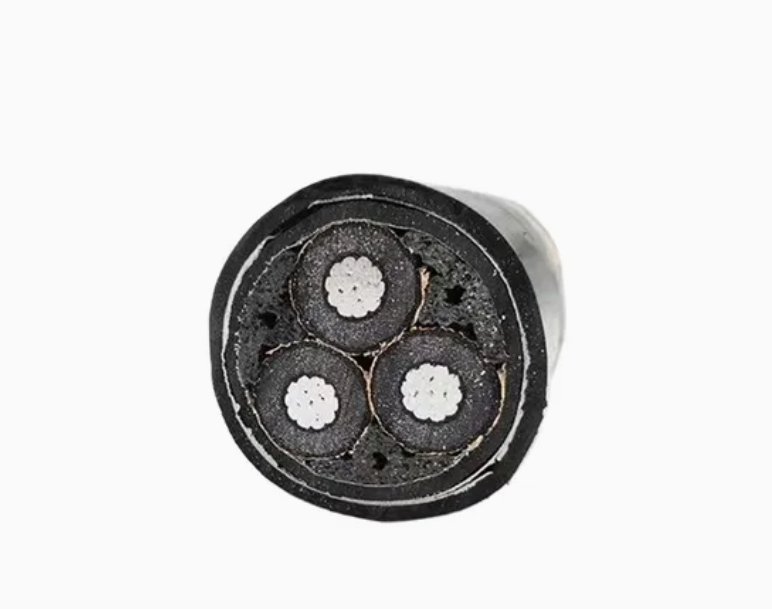
Key Features of 8.7/15kV Triple Core Aluminum Power Cables Explained
Key Features of 8.7/15kV Triple Core Aluminum Power Cables Explained In the realm of electrical engineering, choosing the right type of cable is crucial for ensuring efficient power transmission. One of the widely used cables in medium-voltage applications is the 8.7/15kV triple core aluminum power cable. This article delves into the key features of these cables, exploring their construction, adva
2026-10-04


Understanding 0.6/1kV Single Core Copper Conductor Power Cables
When it comes to electrical installations, choosing the right power cable is crucial for safety, efficiency, and longevity. One significant option in the market is the 0.6/1kV single core copper conductor power cable. This type of cable is designed to handle medium voltage applications, making it suitable for various industrial and commercial settings. The designation 0.6/1kV indicates that the ca
2026-09-27

Exploring the Durability of 8.7/15kV Aluminum Power Cables: A Comprehensive Guide
Exploring the Durability of 8.7/15kV Aluminum Power Cables Table of Contents 1. Introduction to 8.7/15kV Aluminum Power Cables 2. Understanding Power Cables and Their Importance 3. Aluminum vs. Copper: Material Comparison 4. Factors Affecting the Durability of 8.7/15kV Aluminum Power Cables 5. Applications of 8.7/15kV Aluminum Power Cables 6. Industry Standards for 8.7/15k
2026-09-20
0
Hunan Huatai Cable Co. LTD
Xiadopu Machinery Industrial Park, Ningxiang, Xiangjiang New District, Hunan Province

Follow us