


Understanding 8.7/15kV Triple Core Aluminum Power Cables: A Comprehensive Overview
Time of Release:
2025-11-24
Source:
Author:
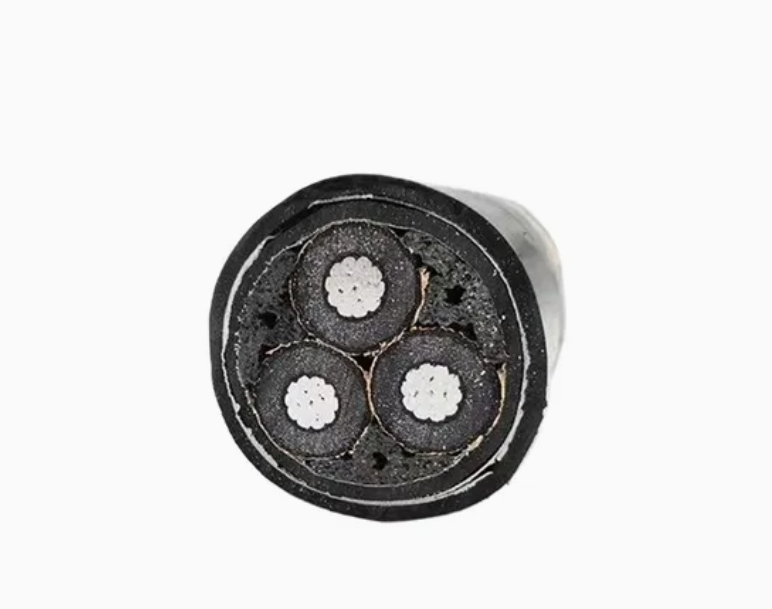
One of the key features of the 8.7/15kV triple core aluminum power cable is its construction. It consists of three insulated conductors, all bundled together within a single sheath. The use of aluminum as a conductor material is significant due to its lightweight properties and cost-effectiveness, making it an excellent alternative to copper. Additionally, aluminum conductors have good conductivity, ensuring efficient power transfer.
The insulation system of these cables typically includes cross-linked polyethylene (XLPE), which provides excellent thermal and electrical properties. XLPE insulation is resistant to moisture, chemicals, and mechanical stress, thereby enhancing the cable's longevity and performance. The outer sheath is often made from a durable thermoplastic material, providing additional protection against environmental factors.
In terms of applications, the 8.7/15kV triple core aluminum power cable is particularly well-suited for underground installations. Its design minimizes the risk of electrical failures due to external conditions, making it ideal for areas with high foot traffic or extreme weather. Moreover, the three-core configuration allows for the balanced distribution of electrical load, contributing to the stability of power systems.
Another advantage of using aluminum cables is their ease of installation. Due to their lighter weight, they require less support and can be handled more easily on-site. This not only reduces labor costs but also minimizes the physical strain on workers during the installation process.
It’s important to note that while aluminum cables offer several benefits, they do require careful consideration regarding their connections. Aluminum does not have the same thermal expansion properties as copper, so it is essential to use compatible connectors and fittings to prevent issues such as loose connections or overheating.
In summary, the 8.7/15kV triple core aluminum power cable is an excellent choice for medium voltage applications, combining efficiency, durability, and cost-effectiveness. Its unique design and construction enable it to meet the demands of various electrical systems while ensuring reliable performance. For professionals in the electrical engineering field, understanding the specifications and applications of this cable is crucial for optimizing power distribution and enhancing system reliability.
Related information
Key Features of 8.7/15kV Triple Core Aluminum Power Cables Explained
Key Features of 8.7/15kV Triple Core Aluminum Power Cables Explained In the realm of electrical engineering, choosing the right type of cable is crucial for ensuring efficient power transmission. One of the widely used cables in medium-voltage applications is the 8.7/15kV triple core aluminum power cable. This article delves into the key features of these cables, exploring their construction, adva
2026-10-04


Understanding 0.6/1kV Single Core Copper Conductor Power Cables
When it comes to electrical installations, choosing the right power cable is crucial for safety, efficiency, and longevity. One significant option in the market is the 0.6/1kV single core copper conductor power cable. This type of cable is designed to handle medium voltage applications, making it suitable for various industrial and commercial settings. The designation 0.6/1kV indicates that the ca
2026-09-27

Exploring the Durability of 8.7/15kV Aluminum Power Cables: A Comprehensive Guide
Exploring the Durability of 8.7/15kV Aluminum Power Cables Table of Contents 1. Introduction to 8.7/15kV Aluminum Power Cables 2. Understanding Power Cables and Their Importance 3. Aluminum vs. Copper: Material Comparison 4. Factors Affecting the Durability of 8.7/15kV Aluminum Power Cables 5. Applications of 8.7/15kV Aluminum Power Cables 6. Industry Standards for 8.7/15k
2026-09-20
0
Hunan Huatai Cable Co. LTD
Xiadopu Machinery Industrial Park, Ningxiang, Xiangjiang New District, Hunan Province

Follow us